
How To Choose The Right Size of Generator
How to Choose the Right Size Generator for Your Home or Business
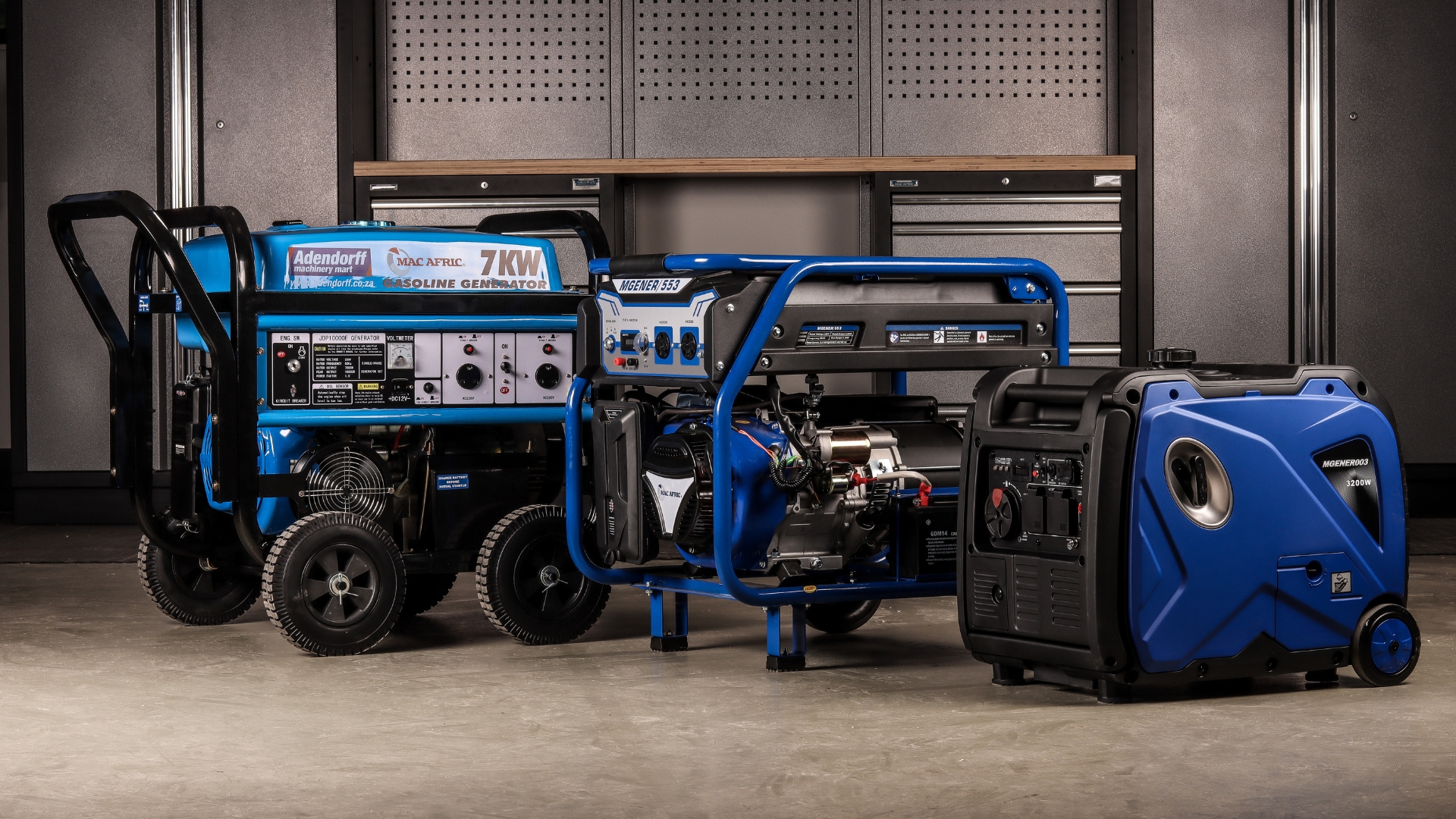
Choosing the right generator size is crucial to keep your lights on and devices running during power outages (or South African load-shedding) without overloading the unit. An undersized generator won't supply enough electricity, while an oversized one wastes fuel and money. This comprehensive guide will walk you through sizing a generator in 3 steps, explore different generator types, discuss fuel usage and safety, and answer common questions. Whether you're a homeowner wanting basic backup power or a small business aiming to keep operations running, following these guidelines will help ensure you get a generator that fits your needs.
What size generator do I need for my home?
The generator size you need depends on the total wattage of the appliances and equipment you want to power. In essence, you should calculate your power requirements and add a safety margin. Below is a step-by-step approach to determine the right generator capacity for a home (or similarly, a small business):
Step 1: List Your Essential Devices and Appliances
Start by making a checklist of all the electrical devices you would need to run during an outage. Think in terms of priorities – what can't you comfortably live or work without? In a home, these often include:
- Lights – for safety and basic illumination.
- Refrigeration – fridge and possibly a freezer to prevent food spoilage.
- Cooking appliances – e.g. microwave or kettle, if you need to heat food (these draw a lot of power, so maybe only one at a time).
- Electronics and communication – TV, Wi-Fi router, phone chargers, computer, etc.
- Climate control – fans, or a small heater in winter (heating elements consume very high wattage, so be cautious).
- Other essentials – e.g. medical devices, alarm systems, or a garage door motor.
For a small business or workshop, your critical equipment might include things like point-of-sale systems, computers, lights, and perhaps specific machinery or power tools. Every situation is unique, but the key is to identify what you must keep running to stay safe and productive.
Pro Tip: Be realistic and conservative. The more devices you include, the larger (and more expensive) generator you will need. It's often wise to plan to run only essential appliances during an outage. High-wattage items like stoves, geysers, air conditioners, or pool pumps can easily use more power than all your other devices combined, so you might exclude or limit those unless you're prepared to invest in a very large generator. Cooking and heating equipment are extremely power-hungry compared to most other appliances – only run these on the generator if absolutely necessary, or ensure your generator is sized large enough to handle them along with your other loads.
Step 2: Determine How Much Power Each Appliance Draws, Then Add It Up
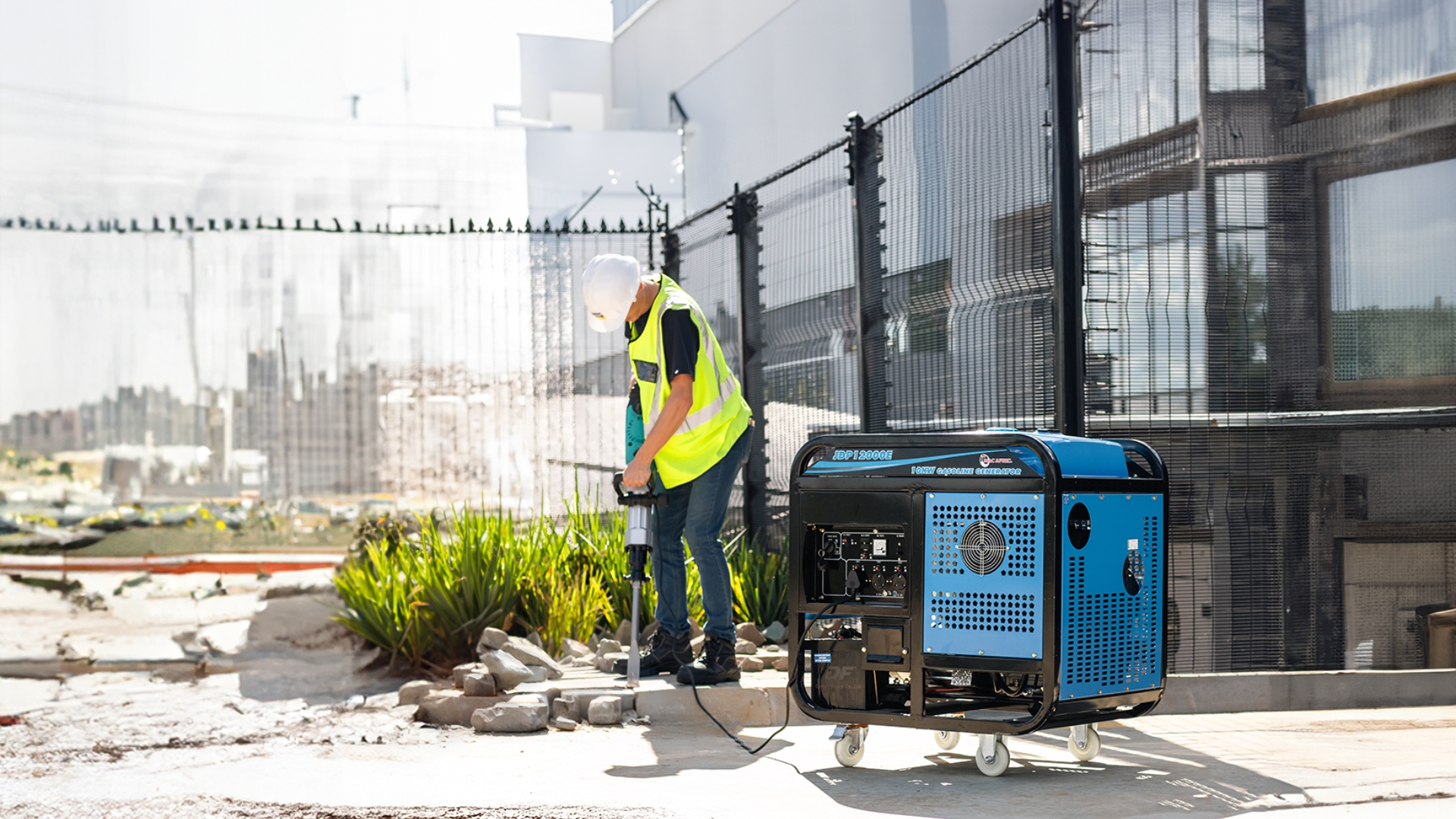
Next, find out how much wattage each of your listed devices uses. Many appliances have two power ratings: a running (continuous) wattage and a higher starting (surge) wattage required for a few seconds at startup. Focus on both:
- Running Wattage: the continuous power the device uses during normal operation.
- Starting Wattage: a brief spike in power draw when the device is turned on (common with motors or compressors in fridges, pumps, aircons, etc.).
You can usually find the wattage on the appliance's specification label or in its manual. For example, a microwave might be labelled 1500 W (watts), while a fridge might show 700 W but require a higher start-up surge when the compressor kicks in.
If exact figures aren't available, you can use general estimates from appliance charts or reliable online guides. Another option is to measure the appliance's current draw using a clamp meter and calculate the wattage using the formula:
Watts = Volts × Amps
In South Africa, mains voltage is typically around 220–230 V AC, so an appliance drawing 2.2 A would use roughly 484 W.
When sizing a generator, always err on the side of overestimating to ensure safe and reliable operation.
Now, add up the running watts of all the devices you want to power at the same time. Then add the largest single starting wattage on top of that total (not all devices start at exactly the same moment, so usually adding the biggest surge is sufficient). The sum will give you an approximate minimum wattage that your generator must be able to supply.
Let's walk through a simple example scenario:
| Appliance | Running Wattage | Starting Wattage | Notes |
|---|---|---|---|
| Refrigerator | 2,000 W | 2,500 W | Compressor motor surge at startup |
| Microwave Oven | 1,500 W | 1,500 W | No extra surge (resistive load) |
| Television (LED) | 150 W | 150 W | Modern TVs are very energy-efficient |
| 5 × LED light bulbs | 100 W | 100 W | Assuming ~20 W per bulb |
| Total | 3,750 W | 4,250 W |
Recommended Generator Size: ~5,100 W (which is 20% above the 4,250 W peak need). This 20% buffer helps cover the startup surges comfortably and avoids running the generator at its absolute maximum all the time.
In this example, the running wattage needed is about 3.75 kW, with a momentary surge just over 4.2 kW when the fridge compressor kicks in. A generator rated around 5 kW (5000 W) would thus be a suitable choice to handle these loads with some headroom. In general, we recommend choosing a generator that can provide roughly 20–25% more power than your total calculated requirement. This ensures you're not pushing the generator to its limit, accommodates any underestimation, and allows for possibly adding one or two small devices later. It also accounts for the fact that generator shouldn't run continuously at 100% load – most perform best at around 50-80% load for longevity.
Why account for starting watts? It's important to include those surge watts in your calculation because some appliances (particularly those with electric motors or compressors) draw significantly more power for a second or two when they start up. For instance, as shown above, a fridge that runs at 2000 W may require 2500 W momentarily when the compressor motor starts. If you ignored that surge, you might pick a generator that handles 2000 W fine but fails when the fridge tries to cycle on. By sizing for the highest startup surge in your system, you ensure the generator won't trip overload breakers when things kick in.
How to find appliance wattages? Here are a few methods to determine or estimate the power draw of your equipment:
- Check the appliance's label/nameplate or user manual. It often lists the wattage or at least the amperage (which you can multiply by 220 V to get watts).
- Use online resources or manufacturer websites – many publish typical wattage ranges for common appliances. For example, a standard fridge might use 300–700 W running, a laptop ~50–100 W, a portable fan ~50 W, etc. (Be wary that older appliances can draw more than new efficient models.)
- Use a measuring device: An electrical clamp meter or plug-in power meter can measure the actual current or wattage an appliance draws. Measuring amps and using the formula Watts = Volts × Amps is effective for devices without electronics. (Only do direct measurements if you know what you're doing or consult an electrician – safety first!)
South Africa's mains supply is ~230 V AC at 50 Hz. So, for example, if you measure an appliance drawing 8.7 A, that corresponds to roughly 2,001 W (which would typically be listed as a "2 kW" device). As another example, a device measured at 2.2 A draw would be about 484 W. These formulas let you estimate consumption for unusual or custom equipment not easily looked up.
Once you have summed up the wattages of everything you intend to run, you'll have your baseline power requirement. Let's say your total came to ~3 kW running and maybe ~4 kW including a startup surge. You would then look for a generator that's rated for at least 4 kW, and ideally around 5 kW (to include a safety buffer). Remember, it's better to err on the higher side – having extra capacity is fine (the generator will just run below its max output), but under-sizing can leave you unable to start some appliances or lead to overloaded, tripping generator. generator are built to handle brief surges above their rated power, but only for a few seconds; you should not plan to exceed the rated running load. In fact, it's best practice to keep the continuous load at no more than ~75-80% of the generator's maximum capacity for normal operation. Choosing the correct size is crucial – you'd rather have a little too much power than not enough!
Step 3: Choose a Generator that Meets (or Exceeds) Those Requirements
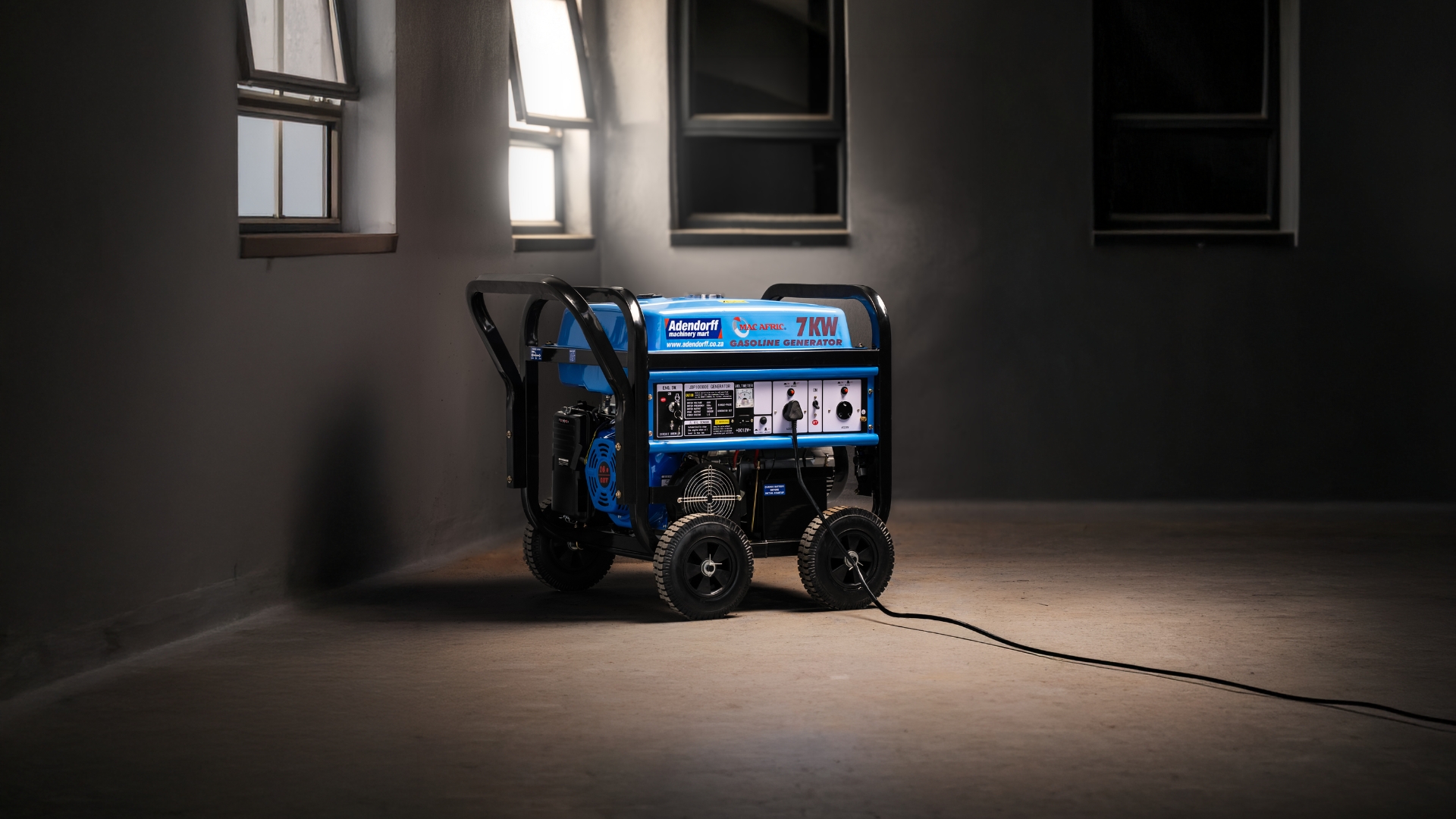
Now that you know roughly how many watts you need to supply, it's time to select an appropriate generator. generators come in various sizes and types. Look for models that have a running (continuous) wattage equal or higher than your requirement, and ideally also check the surge or peak wattage rating is above your highest surge need. Manufacturers will often list something like "5.5 kVA (5 kW) generator" – meaning it can supply about 5 kW of actual load (more on kW vs kVA later). If your calculated need was, say, 4 kW, a 5 kW (or 5.5 kVA) generator would be a good match, providing a comfortable buffer.
At this stage, you should also consider what type of generator and fuel makes sense for you (e.g. a quiet inverter generator vs. a standard open-frame generator, petrol vs. diesel, etc.), as well as any other features important to you. For instance, if noise is a concern in your neighborhood, you might lean toward a "silent" generator model. If you need to power sensitive electronics, an inverter or at least a unit with AVR (Automatic Voltage Regulation) is highly recommended for clean power output. We'll delve deeper into generator types in the next section. In general, you'll find that petrol-powered generators dominate the market in small sizes (they are usually more compact and affordable for up to ~7.5 kVA units), whereas diesel generators are popular for heavier duty and larger capacity needs (diesels are sturdier for long runs and often come in higher kVA ratings).
To illustrate, if you determined you need around 3 kW, you might choose a 3.5 kVA petrol portable generator. These are common for home use. On the other hand, if you needed something like 10 kW continuous for a small business, you might look at a 13 kVA diesel generator, since that provides roughly 10.4 kW at 0.8 power factor. The key point is to match the specs: focus on the continuous wattage or kVA rating (and remember to convert kVA to kW by multiplying by 0.8 for most units). Also ensure the generator has the right outlets (single-phase 230 V vs three-phase 400 V, depending on what you need to connect – most home/small uses are single-phase).
Many suppliers provide handy charts or filters on their websites to help compare models once you know your required size. For instance, Adendorff's generator range is categorized by type (diesel, petrol, inverter, etc.). After doing the math in Steps 1 and 2, you can browse within the appropriate category and size bracket. Don't forget practical considerations too: choose a generator that you can fuel easily (diesel is often easier to source in bulk for businesses, petrol is readily available everywhere for small portables), and consider mobility if you need to move it around.
With your power requirements in hand, you're well-prepared to find the right generator. Next, let's look more closely at the different types of generators and which might be best for your situation.
What are the different types of generators?
Generators come in several types and sizes, each suited to different needs. Here we'll explain the main categories and who they're best for. In particular, we'll focus on:
- Silent Inverter Generators – great for home users who value low noise and stable power (we'll mention two example models from the MAC AFRIC range).
- Conventional Petrol and Diesel Generators – ideal for small businesses, workshops, farms, and construction sites that need higher power or rugged use.
- Large Industrial Generators – high-capacity units (30 kVA and above) for factories, big commercial facilities, or whole-building backup, often powered by heavy-duty engines (e.g. FAW diesel engines).
What is a Silent Inverter Generator (and is it right for home use)?
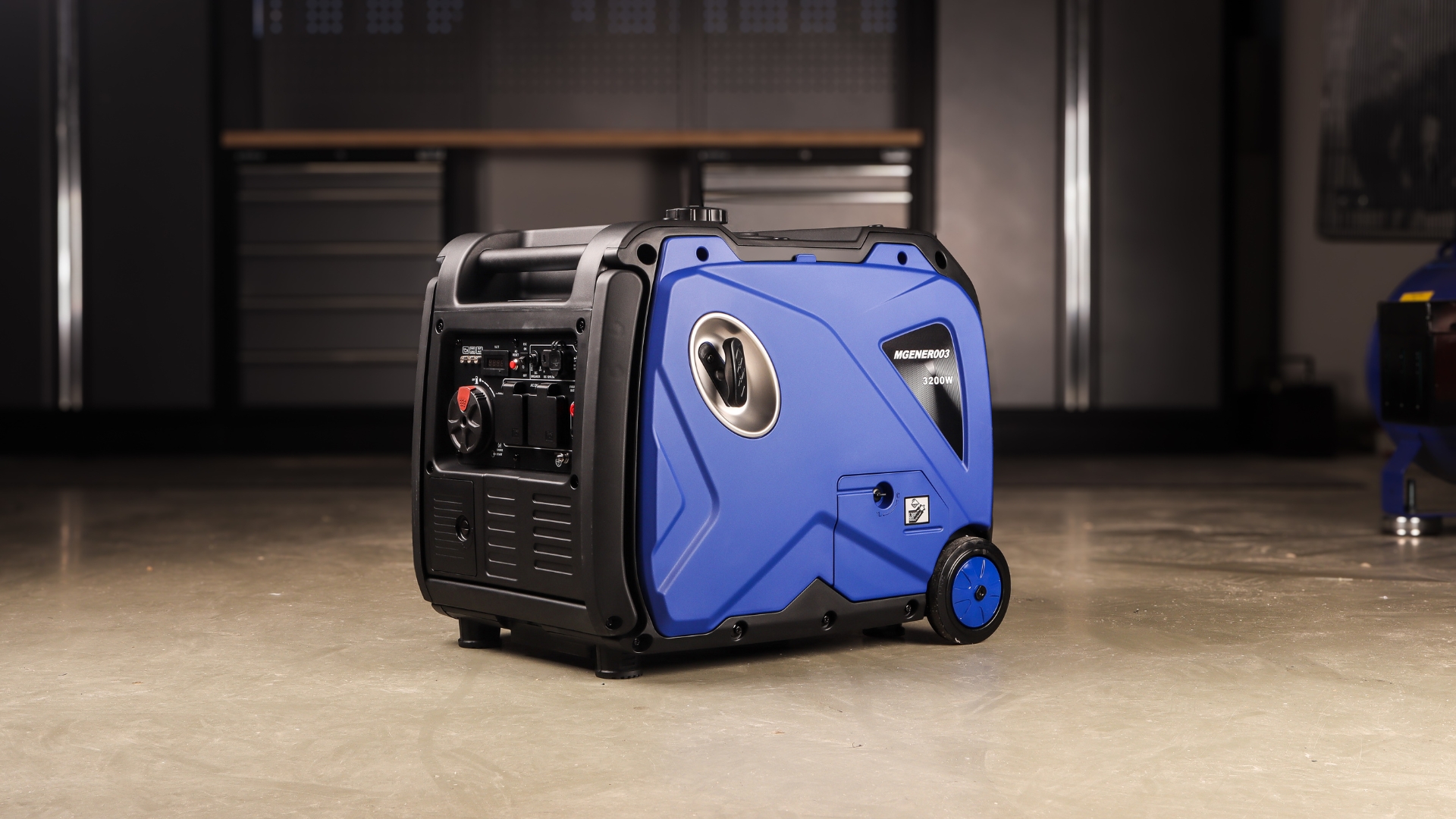
Figure: A portable "silent" inverter generator (MAC AFRIC 3.2 kW model) designed for home use. Inverter generators are encased in sound-insulated housing for quiet operation and use advanced electronics to produce clean, stable power suitable for sensitive electronics.
An inverter generator is a newer technology generator that produces electricity with much "cleaner" voltage output and typically runs much quieter than a conventional generator. These units are often called "silent" or "ultra-quiet" generators because they are usually enclosed in a sound-proof casing and have mufflers to reduce noise. They are extremely popular with homeowners who want to run a few essentials during load-shedding without the roar of a big open-frame generator disturbing everyone.
Inverter generators work by generating AC power, converting it to DC, and then using an inverter (an electronic circuit) to turn it back into a very steady AC output. The result is pure sine wave electricity with low THD (typically <3%), which mimics grid power quality. This makes them safe for sensitive electronics like laptops, TVs, gaming consoles, or internet routers that could be damaged by the voltage spikes or frequency fluctuations ("dirty" power) of cheap conventional generators. Additionally, inverter generators are very fuel-efficient at partial loads because they can automatically throttle the engine up and down as needed to meet demand, rather than running at full RPM constantly. When your load is lighter (say just a few lights and a TV), the inverter unit will slow the engine, using less fuel and producing less noise.
Silent inverter generators typically range from small portable models around 1 kW–2 kW, up to around 3.5 kW or so (there are a few larger, but they get expensive). In our MAC AFRIC product range example, there are two popular inverter models:
- MAC AFRIC 1.8 kW Inverter Generator A compact generator suitable for running essential items (lights, laptop, Wi-Fi, a TV, etc.). It's petrol-powered, with a 1.8 kW continuous output (max 2.0 kW). It features a built-in handle for portability and is remarkably quiet (around 56–68 dB at 7m distance) – about as quiet as a normal conversation or less. With a 4.8 L fuel tank, it can run roughly 6 hours at half load before needing refuel. This unit is ideal for apartments or small homes where you only need to power the basics and want minimal noise.
- MAC AFRIC 3.2 kW model : A larger "silent" model on wheels, offering 3.2 kW output (with a higher surge capacity). This is great for running a medium set of appliances – for example, it can comfortably power a refrigerator, some lights, a TV, and a computer simultaneously. Like the smaller unit, it provides a pure sine wave output and has low THD, making it electronics-friendly. It's also petrol-based and includes both electric start and pull start options. Despite its higher power, it's still relatively quiet (in the low 60s dB range during operation) thanks to its enclosure. With an 8.3 L tank, you can expect several hours of runtime (often ~8 hours at 50% load, depending on usage). This inverter generator is well-suited for larger homes or small offices that require quiet, clean power backup.
Inverter generators are typically more expensive per kW than standard generators, but the trade-offs are often worth it for home use: you get dramatically lower noise, improved fuel efficiency, and stable electricity. They are also usually lighter and more portable. If your power needs are modest (a few kilowatts or less) and especially if you live in a densely populated area or plan to run the generator in the evenings, an inverter generator is an excellent choice. Many people specifically choose them for camping or outdoor events too, where noise and portability are crucial.
One thing to note: because inverter generators are usually smaller in capacity, you must be mindful not to overload them. For example, you wouldn't run an entire household with a 2 kW inverter – it simply can't handle big appliances like geysers or stoves. But for the limited set of devices it's designed for, it will perform efficiently and quietly. Always check the wattage limits and don't exceed the inverter's rated output (most have built-in overload protection that will trip if you do).
What is the difference between petrol and diesel generators (for small businesses)?
Conventional generators (non-inverter) come with either petrol (gasoline) engines or diesel engines. Both types are common for portable and standby generators in the small-to-medium size range, but they have some important differences. If you have a small business, workshop, or need a generator on a construction site, you might be choosing between a petrol vs. a diesel model. Here's how they compare:
- Initial Cost: Petrol generators are generally cheaper upfront for the same power output. Small petrol generators (for example, a 5 kW open-frame unit) tend to cost significantly less than a diesel of equivalent size. Diesel generators have more robust (heavier) engines and often additional features, which raises their price.
- Fuel Efficiency and Operating Cost: Diesel engines are usually more fuel-efficient than petrol engines, especially under heavy loads. Diesel fuel itself often contains more energy per liter than petrol and diesel generators tend to "burn" fuel more economically, yielding more kilowatt-hours per litre of fuel. For instance, a diesel generator might consume less fuel per hour than a petrol generator producing the same power output. Over long runtimes, this can translate to lower operating cost. If you plan to run the generator for many hours (or if fuel availability/cost is a concern), diesel has the edge.
- Maintenance and Durability: Diesel generators are known for their longevity and sturdiness. The engines run at lower speeds (often 1500 RPM in larger diesel gensets vs 3000 RPM for small petrol units) and can handle heavy loads for extended periods. They don't have spark plugs or carburettors (diesels use compression ignition), so maintenance is a bit different. They do require regular oil and filter changes and clean fuel to avoid injector problems. Petrol generators, while mechanically simpler, may wear out faster if used continuously day after day – their smaller engines are often not designed for 8+ hours daily use. For intermittent or occasional use, petrol units are fine; for daily or prime power use, diesel is generally preferred for its durability.
- Power Range and Size: Petrol generators are very common in the portable range from about 1 kW up to ~7.5 kW (typically single-phase). You can find petrol units up to around 15 kVA, but beyond that diesel dominates. Diesel generators exist in small portable formats too (e.g. 5 kVA diesel generator with wheels), but you'll commonly see diesel in larger, often stationary units from 5 kVA up to hundreds of kVA. If you need three-phase power (380–400 V for industrial equipment), those generators are almost always diesel in the small-business range, although there are a few petrol three-phase models at lower kVA.
- Noise Levels: A standard open-frame petrol generator (the kind with an exposed engine and tubular frame) is quite loud – often in the range of 70–85 dB or more at full tilt, which sounds like a lawnmower or louder. Diesel generators, when not enclosed, can be equally loud or louder (diesel combustion can produce a "knock" sound). However, many diesel generators aimed at home or business backup come in a silent or super-silent enclosure – an outdoor steel cabinet lined with sound-dampening material. These "silent diesel" generators reduce noise significantly (often into the 65–75 dB range), making them suitable for residential or urban use. Petrol generators can be fitted with better mufflers or placed in a sound-absorbing box, but few are truly "silent" unless you specifically buy a petrol inverter unit. For a workshop or construction site, noise may be less of an issue (ear protection is standard on sites), so an open-frame petrol unit could be fine. For a business operating near customers or in a neighborhood, you might lean toward an enclosed diesel for lower noise.
- Fuel Storage & Availability: Petrol (gasoline) is highly flammable and has a relatively short shelf life – it can go stale in a few months and isn't safe to store large quantities for long periods without stabilizers. Diesel is less volatile (lower risk of accidental ignition) and can be stored longer, plus many businesses already have diesel on hand (for vehicles or machinery). If you have a farm or construction company with diesel tanks on site, a diesel generator makes sense. If it's a small operation without access to diesel, petrol from the local gas station is easier in small volumes.
- Usage Case: Petrol generators are great for lighter-duty, occasional use and portability. They typically come with pull-start or electric start gasoline engines similar to those in motorbikes or small cars. Examples: a contractor might use a 5 kVA petrol generator to power tools on a remote job site during the day, then turn it off. A small business might have a 3 kW petrol generator just to run a few POS systems and lights during load-shedding for a couple hours at a time. Diesel generators, conversely, shine in more demanding roles – they handle extended run-times well and generally can produce larger power output. For instance, a diesel generator in the 6–10 kVA range could comfortably power a small workshop's critical equipment for an entire workday, every day. It might cost more initially, but it will hold up better under that kind of usage.
To illustrate, consider two comparable mid-sized models:
- A MAC AFRIC 6.5 kVA (5 kW) Petrol Generator – a typical open-frame gasoline unit. It's relatively compact, easy to move, and might cost in the range of R8,000–R12,000. It will run tools, pumps, or home appliances, but it will be noisy (~75 dB or more) and will consume around 1 to 1.5 liters of petrol per hour at half load (more at full load). It's good for backup power in a pinch or occasional site use.
- A MAC AFRIC 7 kVA Diesel Generator (Silent Type) – this might be an enclosed genset with an electric start. It will be heavier and larger (likely on wheels or skid mount) and more expensive – maybe double the price of the petrol unit. However, it will use less fuel for the same output (diesel engines extract more energy per liter) and you could run it daily for long hours with lower wear. Noise might be around 70 dB or less thanks to the acoustic enclosure. This could suit a small business that needs reliable daily backup or a construction crew that runs it for many hours.
In summary, choose petrol vs. diesel based on your needs: if you require a generator only occasionally or have lower power needs (and noise isn't a big issue), a petrol generator is cost-effective and easy. If you need a workhorse for frequent or heavy use, especially at higher power levels, a diesel generator will pay off in fuel savings and durability. Just remember to maintain whichever you get – e.g. run petrol generators periodically so the carburetor doesn't gum up, and keep diesel gensets exercised and fuel tanks clean to avoid issues. Both types should be serviced as per manufacturer schedules (oil changes, etc.) to ensure longevity.
When do you need a large industrial generator (30 kVA or more)?
For very high power requirements – typically for large homes with extensive appliances, guesthouses, office buildings, factories, farms, or other industrial uses – you may need a generator in the 30 kVA to 150 kVA range (or even bigger). These generators are quite different from the portable units we discussed earlier. They often come as stationary installed generators, usually housed in weatherproof sound-attenuated enclosures (making them "silent" type despite their size) and almost exclusively run on diesel engines. Let's break down what to expect in this class:
Power Output and Voltage: Generators ~30 kVA (which is about 24 kW of real power at 0.8 pf) and above are often three-phase machines, supplying 400 V AC (phase-to-phase) which can be distributed as three-phase or split into standard 230 V circuits. This is important if you need to run heavy machinery, large motors, or to feed into an electrical distribution board that powers an entire building. For example, a 30 kVA generator can comfortably run a mid-sized office block or a large house with all its circuits (including multiple air conditioners, pumps, etc.), within that 24 kW usable power. Larger models like 50 kVA, 100 kVA, up to 150 kVA are used for small factories, hospitals, farming operations (like powering irrigation pumps), or as backup for large commercial buildings. They can even serve as prime power in remote locations (like mines or construction sites) where grid power isn't available.
Physical Characteristics: Industrial generators are heavy – typically weighing from about 500 kg for a 30 kVA up to several tons for 100 kVA+. They are usually installed on a concrete pad or mounted to a trailer for mobile use. Most come with a built-in large fuel tank and a weatherproof canopy. For instance, the MAC AFRIC 30 kVA diesel generator is in a sound-proof canopy (to reduce noise to ~72 dB) and includes a 100-liter fuel tank for extended runtime. These units often have water-cooled 4-cylinder diesel engines (similar to car engines or small truck engines) that run at 1500 RPM for longevity. They have features like automatic start panels or ATS (Automatic Transfer Switch) compatibility, meaning they can detect a power outage and start up automatically to supply the building, then shut down when mains power returns.
Use Cases: You'd consider a generator in this class if your power needs exceed what the portable units can supply. Examples:
- A large household estate with multiple geysers, air conditioning units, electric stove/oven, pool pumps, etc., all of which might draw tens of kW – a 20 kW (25 kVA) or larger standby generator would be appropriate.
- A small manufacturing business with several 3-phase motors (drill presses, compressors, etc.) might install a 50 kVA (roughly 40 kW) generator to cover the machinery and lighting in event of outage.
- A shopping complex or office that needs to keep critical systems (servers, security, elevators, lights) running might use a 100 kVA or more, depending on the load.
These larger generators provide robust, reliable power – often their output quality is as good as grid power and they include sophisticated controls. They are intended to be installed by professionals, with proper integration into the building's electrical system (usually via an ATS and distribution board).
Example – MAC AFRIC 30 kVA diesel generator (Powered by FAW engine): This unit provides 30 kVA (24 kW) of power and outputs three-phase 380/400 V AC. It's housed in a sound-damped enclosure (roughly 72–75 dB noise level) and features an electric starter and automatic voltage regulation. With a 100 L fuel tank, it can run many hours; at full load it burns about 7.8 liters of diesel per hour. It includes safety features and requires a proper installation – typically an electrician would wire it into an ATS so that it can automatically kick in during an outage. The engine inside is a FAW diesel engine – FAW (First Automobile Works) is a reputable Chinese manufacturer, and their engines in these gensets are built for continuous duty. This is just one example; the range extends to bigger units (e.g., 50 kVA, 100 kVA, etc., often using engines by Perkins, Cummins, or Volvo depending on the model).
Installation and Compliance: Large generators must be installed in accordance with local regulations. They may require planning permission or compliance with noise and emission standards (for instance, ensuring the exhaust is safely vented and not causing excessive noise to neighbors). In South Africa, permanent generator installations must comply with SANS standards and you'll need a qualified electrician to commission it and issue a Certificate of Compliance (COC). Often these units will be placed on a concrete slab with proper ventilation around. Maintenance is also a consideration – diesel standby generators should be run (exercised) under load periodically and serviced (oil, filters) roughly every 100-250 hours of operation or annually.
In summary, industrial generators (30 kVA+) are for big power needs. They are a different category – more like installing an engine in a box that becomes part of your building's infrastructure. If your needs are on that scale, you will also likely involve professionals for sizing and installing the system. For anything under ~15 kVA, many people stick to the portable or semi-portable petrol/diesel units which are simpler to deploy; beyond that, it often makes sense to get a stationary diesel generator for the sake of efficiency and durability.
How much fuel does a generator use per hour?
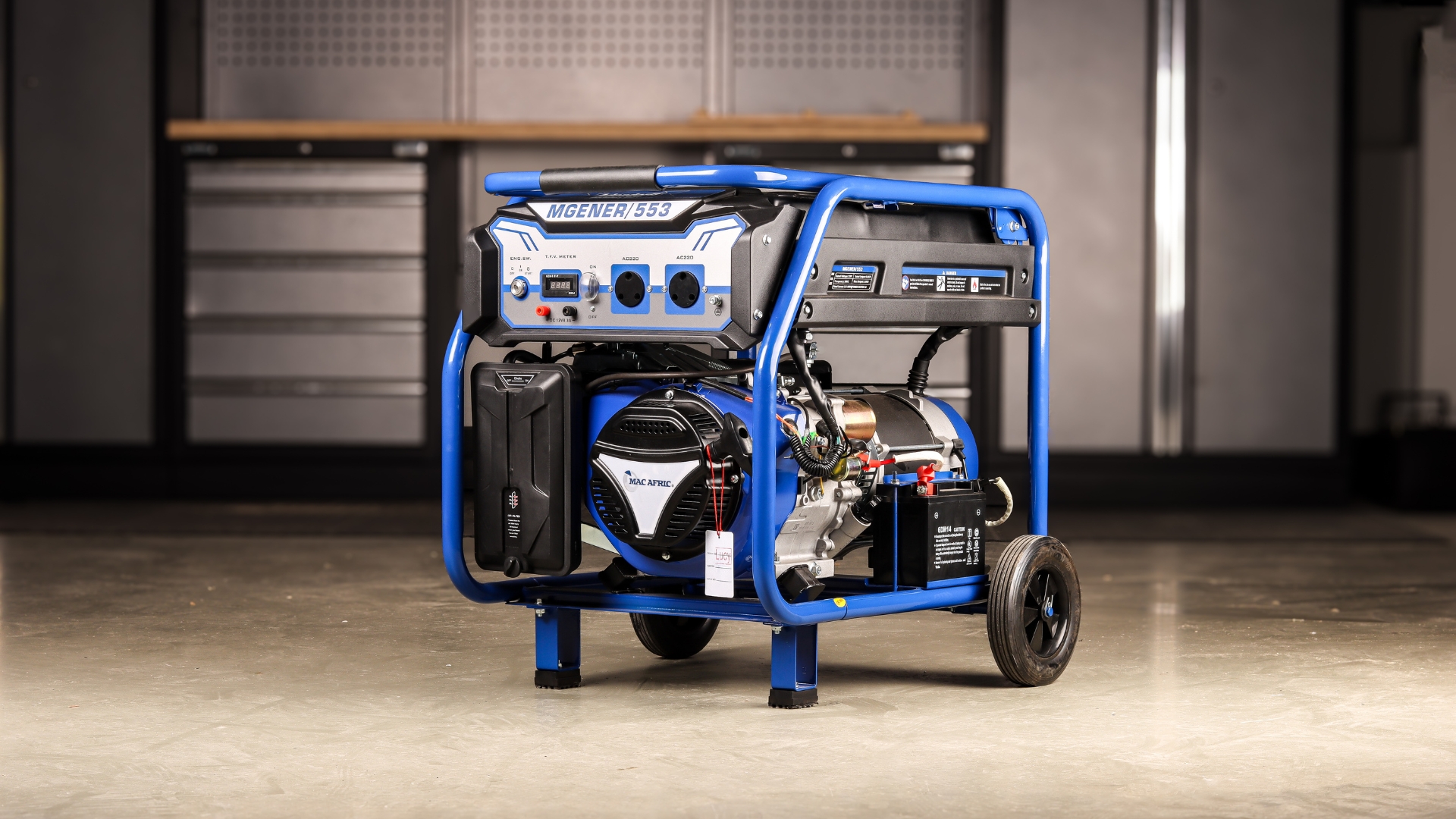
Fuel consumption is a crucial practical consideration because it affects how long you can run your generator and how much it will cost to do so. The amount of fuel a generator uses per hour depends on several factors: the generator's size (engine capacity and generator efficiency), the type of fuel, and most importantly the load on the generator. Here are some key points to understand:
- Load vs Fuel Consumption: The more watts you draw from the generator, the more fuel it will consume. Fuel usage is not linear with load – generators tend to be more efficient at moderate loads (around 50-80% of capacity) and less efficient at very low loads or at absolute full load. For example, a generator running at half its rated capacity will use less than half the fuel it would at full load (because engines have an optimal efficiency range). Conversely, running a big generator at only 10% load can be very inefficient (burning fuel without making much power, and can cause issues like wet stacking in diesel engines).
- Rule of Thumb: A common rule for diesel generators is about 0.1 gallons of diesel per kWh of energy produced. This equates to roughly 0.38 liters of diesel per kWh. In other words, if you have a 5 kW load running for 1 hour (that's 5 kWh of energy), a diesel genset might consume on the order of 5 × 0.38 = ~1.9 liters of diesel in that hour (under ideal full-load efficiency). This is just a ballpark – actual figures vary by model and load, but it's useful for estimation. Petrol generators are generally a bit less efficient than diesels; they might consume ~0.45–0.6 liters per kWh at full load (this is an approximation; smaller engines are typically less efficient).
- Small Generator Examples: Let's take some concrete examples. A small 2 kW portable petrol generator (inverter type) at a 25% load (500 W) might only use around 0.1–0.2 gallons per hour (that's ~0.4–0.75 liters/hour) – because it's barely working and likely idling low. At 50% load (1 kW), it might use around 0.2–0.3 gal/hr (~0.8–1.2 L/hr). Now consider a larger 7 kW open-frame petrol generator. At half load (~3.5 kW), it could burn roughly 0.6 gallons per hour (~2.3 L/hr), and at full 7 kW load perhaps around 0.9–1.0 gal/hr (~3.5–3.8 L/hr). In other words, a 5 kW generator likely uses on the order of 1.5–2.5 liters of fuel per hour under a typical moderate load (again, check your specific model's specs for accurate numbers).
- Large Generator Example: For a big unit like a 30 kVA (24 kW) diesel generator, fuel consumption might be around 7–8 liters per hour at full load. At lighter loads (say 50%), the consumption would drop significantly – likely to around 3–4 L/hr or so. Manufacturers often provide a fuel consumption chart at 1/4, 1/2, 3/4, and full load. For instance, a certain 50 kW diesel genset might use ~5 gallons/hour at full load (18.9 L/hr), but only ~2 gallons/hr (7.5 L/hr) at half load. This shows how load affects the burn rate.
- Diesel vs Petrol Efficiency: As mentioned, diesel engines typically get more kWh per liter. They have higher compression and no throttle (on older diesels) so they waste less energy at partial loads. Gasoline engines suffer efficiency losses especially at low loads. To give perspective, one source notes a 20 kW diesel generator might use ~2 gal/hr at full load, whereas a 20 kW gasoline unit could use closer to 2.5+ gal/hr at full load. Over long run times, the difference adds up. This is partly why for long-backup scenarios, diesel is favored – the fuel cost per hour will be lower for the same power output.
- Fuel Type and Energy Content: Petrol (gasoline) and diesel have different energy contents. Diesel fuel contains more energy per liter and diesel generators often run leaner. Propane or natural gas generators have different consumption rates too (usually measured in kg or cubic meters per hour), but those are less common for portable sets in SA (mostly for installed standby units). If you ever use a gas generator, keep in mind they often consume a lot of fuel by volume – e.g. an 8 kW generator might burn ~2 m³ of natural gas or ~3 liters of LPG per hour at full load, but that's beyond this scope.
- Runtime and Tank Size: The flip side of consumption is how long your generator can run on a tank of fuel. Many portable generators have fuel tanks sized to give around 6 to 10 hours of run-time at 50% load. For instance, if a generator has a 20 L tank and burns ~2 L/hr at half load, you'll get roughly 10 hours. Inverter generators often have smaller tanks but also very low consumption when idling (so some can run 8+ hours on a tiny tank when powering just a few devices). Always check the spec sheet – it often lists "run time @50% load". For example, the MAC AFRIC 1.8 kW Inverter Generator has a 4.8 L tank and about a 6 hour runtime at half load. Larger standby generators installed for home/business usually have big fuel tanks because they're expected to run longer – e.g., a 30 kVA with a 100 L tank might run about 12 hours at full load, or much longer at lighter load.
To make sure you're prepared, consider how many hours per day you might need to run the generator during an outage and calculate the fuel requirement. For instance, if you plan for up to 8 hours per day of backup (like during a long load-shedding schedule or overnight), and your generator uses ~1.5 L/hr under your typical load, that's about 12 liters of fuel needed per day. Ensure you have safe fuel storage for at least that amount (and preferably a bit extra for margin). Always store fuel in proper containers and in a safe, ventilated area – and if it's petrol, use it and replace with fresh fuel every few months to avoid staleness.
Another practical tip: if your generator is running near full capacity, it will guzzle fuel faster and also may require more frequent oil checks (some small engines start burning oil if run hard for long durations). If possible, running at a moderate load (like 50-70%) is both fuel-efficient and gentler on the machine. You can also extend runtime by prioritizing loads – for example, you could turn off the heavy appliances (like a geyser or pool pump) so that the generator throttles down during parts of the day, conserving fuel.
In summary, fuel usage varies widely:
- A tiny inverter generator might sip fuel (under 1 L/hr) when powering a few gadgets.
- A typical 5 kW generator might drink ~1–2 L/hr at moderate home usage.
- A big 30 kVA unit can consume ~5–8 L/hr when supplying a whole building.
Understanding this will help you budget fuel costs and plan refueling. It's always a good idea during extended outages to give the generator a rest when you can (both to save fuel and to allow the engine to cool down if it's been running continuously for many hours). That said, well-maintained generators are designed to run for long periods – some diesels can run non-stop for days if required, as long as you can keep refueling them (often done with external fuel tanks or by an automatic pump from a bulk tank).
How can I install and use a generator safely?
Generator safety and compliance are extremely important – not only for protecting lives and property but also to ensure your generator operates correctly and doesn't violate any laws or regulations. Whether you're using a small portable unit or installing a large standby generator, keep the following guidelines in mind:
- Outdoor Use & Ventilation: Always run your generator in a well-ventilated outdoor area (never indoors or in an enclosed space!). Generators emit carbon monoxide (CO), a deadly odorless gas. Place the generator far from open windows, doors, or vents to prevent exhaust fumes from entering living or work areas. A rule of thumb is at least 5-6 meters away from any occupied structure, and downwind if possible. Point the exhaust away from your home and neighbors.
- Proper Placement: Set the generator on a stable, level surface outdoors. Ideally, it should be on a concrete pad or paving, not on bare grass or soil which can become muddy or unstable. If using a large standby generator, mounting it on a concrete slab is often required by code. Keep it in a dry area – if it's raining, the generator should be under a canopy, roof overhang, or a ventilated generator enclosure to protect it from water (but still maintain airflow). Dry conditions reduce the risk of electric shock and help the generator stay in good working order.
- Electrical Connections & Backfeeding: Do not directly plug a portable generator into your house's wall outlet or distribution panel without proper isolation equipment. This is extremely dangerous and illegal, as it can backfeed electricity into the grid and endanger utility workers or damage your appliances when grid power returns. If you want to wire the generator into your home's circuits, you must use a transfer switch or changeover switch installed by a qualified electrician. A transfer switch safely isolates your house from the municipal grid when the generator is running. For portable use, it's generally safest to plug appliances directly into the generator's outlets using good-quality extension cords rated for outdoor use. Make sure those cords are in good condition (no frays, proper grounding) and don't overload any single cord or outlet.
- Professional Installation for Standby Units: If you are installing a permanent standby generator (one that's wired into your electrical DB board), hire a licensed electrician to do it. In South Africa, generator installations must comply with SANS 10142-1 wiring standards and an Electrical Certificate of Compliance is required. A professional will set up the automatic transfer switch, proper earthing, correct cable gauges, and any necessary circuit breakers. This not only ensures safety but also that your insurance remains valid and you meet local regulations. Improper installation can cause fires, electrocution hazards, or equipment damage.
- Load Management: Observe the generator's load guidelines. When turning on a generator and adding appliances, add loads in stages rather than all at once. For example, start the generator with no or minimal load, then maybe turn on the fridge, then a few minutes later turn on the next appliance, and so on. This "staggered start" helps avoid a big inrush current all at one time. Many manufacturers advise not to exceed about 50% of the rated load in the initial surge (first appliance you connect), and then not exceeding ~75-80% for continuous running. Staying within these limits accommodates natural fluctuations and ensures you don't stress the generator. If you need to run a heavy load (like a well pump or a power tool), consider turning off some other loads temporarily so that you don't overload the system.
- Do Not Overload: Know your generator's capacity and don't exceed it. If you draw too much power, the generator may trip its breaker or voltage may drop and damage appliances. Some generators have overload protection that will cut output if you go over the limit. Pay attention if lights start dimming or the generator sounds labored – that's a sign you're pushing it too hard. It's better to have some margin. If you consistently find you need more power, you should upgrade to a larger generator rather than risk overloads.
- Grounding (Earthing): Make sure your generator is properly earthed. Portable generators often have a grounding point on the frame. Follow the manual – in some cases, connecting the frame to a ground rod is recommended, especially when powering hard-wired circuits. Proper grounding helps prevent electric shocks. The MAC AFRIC product range , for example, note "Generator must be earthed" in their specs. Check your local regulations; the need for a separate ground rod can depend on how you hook up the generator (bonded neutral vs floating neutral systems).
- Fuel Safety: Turn off the generator and let it cool before refueling. Gasoline spilled on hot engine parts can ignite. Use a funnel or spout to avoid spills. Store fuel in approved containers, in a cool, ventilated area away from the generator and any flames. If your generator has a fuel gauge, monitor it. Running out of fuel under load can cause the engine to surge or the voltage to drop suddenly, potentially harming appliances. For diesel units, keep the fuel clean and consider additives if storing diesel for long periods (to prevent microbial growth in fuel).
- Noise and Neighbors: Be mindful of noise pollution. Even "silent" generators make some noise (usually a hum). Local bylaws in many parts of South Africa prohibit excessive noise during night hours – and a generator drone could qualify as a "disturbing noise" if it bothers others. To mitigate noise, you can place the generator further from living areas, use sound barriers, or invest in a truly silent model/enclosure. Also, inform neighbors if you plan to run it overnight; sometimes simple courtesy goes a long way. Some residential estates or complexes have rules about generator usage (certain times only, or specific requirements for sound level or enclosure), so make sure you comply with those to avoid fines or conflict.
- Maintenance & Checks: Regularly maintain your generator. Check the oil level each time you're going to run it for an extended period (small engines can consume some oil). Follow the service schedule (oil changes, spark plug, air filter for petrol units; oil/filter changes, diesel filter for diesel units). It's also a good idea to start and run your generator under load for 15-30 minutes at least once a month (if not being used in outages) – this keeps everything lubricated and ensures it will be ready when you need it. During operation, keep an eye (and ear) on the generator – if it sounds like it's struggling, or if it's vibrating excessively or any warning lights come on (for those with panels), shut it down and check for problems.
- Fire Safety: Keep a fire extinguisher nearby, rated for fuel/electrical fires (Class B/C or multi-class). Although generator accidents are rare if used properly, it's best to be prepared. Also, ensure the exhaust isn't pointing toward any flammable materials – the muffler can be very hot and the exhaust can ignite dry leaves or paper. Maintain some clearance around the generator.
By following these safety guidelines, you can use your generator with peace of mind. Always read the user manual for any specific safety instructions pertaining to your model. If in doubt about any electrical connections, consult a professional electrician. Remember that in South Africa, any permanent generator wiring should be signed off by a qualified electrician for compliance – it's about keeping everyone safe and sound.
Frequently Asked Questions (FAQ)
Can a generator damage my electronics?
It's possible, but it depends on the generator and the electronics. The main risk to sensitive electronics (like computers, TVs, gaming consoles, modern appliances with microprocessors) is the quality of the power that the generator produces. A cheap or old-fashioned generator without voltage regulation can produce "dirty" power – meaning the voltage might fluctuate or contain surges, and the AC waveform might have a lot of harmonic distortion. Electronics don't like that. For example, a conventional generator's output might spike or drop as loads are switched on and off, and this unstable voltage can indeed harm devices or cause them to malfunction. Similarly, a high Total Harmonic Distortion (THD) (i.e., a very jagged/non-sinusoidal waveform) from a poor generator can make electronics run hotter or behave erratically. In the worst case, sensitive circuits can be fried by surges or excessive voltage.
However, modern generators have solutions for this. Many mid-range and high-end generators come with an Automatic Voltage Regulator (AVR) – this stabilizes the output voltage to within a few percent, even as the load varies. Inverter generators go a step further by outputting a very clean sine wave with typically <3% THD, which is as good as utility power (often even better quality). These are safe for virtually all electronics. If you are using a generator to power electronics, it's highly recommended to use either an inverter generator or a generator with AVR. Additionally, you can add an extra uninterruptible power supply (UPS) or power line conditioner/battery backup between the generator and your most sensitive devices – the UPS will further filter the power and also give a buffer during generator start-up/shut-down transitions.
Another factor is overvoltage or frequency issues: if the generator is not configured right or is damaged, it could potentially output higher than normal voltage, especially with no load. Most quality generators are designed not to do this – they'll govern around 230 V (in SA) and 50 Hz frequency. But very cheap units could be off. That's another reason to stick to reputable brands and models. Using surge protectors on individual devices can help protect against sudden spikes.
So, in summary: Yes, generators can damage electronics if the power is not clean or stable. Many construction-type generators for example produce power with high THD and those might not be ideal for a computer or LED TV. But if you use an appropriate generator (with AVR or inverter technology) and practice good power management, the risk is minimal. Also avoid overloading the generator (which can cause voltage drops) and avoid connecting/disconnecting big loads without caution, as that is when transient surges can occur. If you hear your generator struggling or the lights flickering badly when something like a fridge compressor comes on, that's a sign the generator is being taxed and your electronics are seeing that fluctuation. A correctly sized and regulated generator, on the other hand, will keep the voltage steady and your devices should run fine – many people run TVs, computers, Wi-Fi, etc. on generator power for years with no issues (especially using inverter generators). When in doubt, err on the side of protecting expensive electronics by using an inverter generator or adding a UPS. This will ensure the power is as smooth as possible.
How many appliances can I run on a 5 kW generator?
A 5 kW (5000 W) generator can run quite a few common household appliances simultaneously, but it entirely depends on which appliances and their individual power draws. Think of it like a budget of 5000 watts that you can "spend" on running devices at any given moment. You could run one big 5000 W machine (if such a thing exists, like a large water pump or a stove plate – though stoves are typically higher), or you could run many small devices whose total adds up to 5 kW.
Let's break down an example scenario for a 5 kW generator, similar to the earlier calculation example:
- Refrigerator – ~700 W running (with a ~1500 W startup spike).
- Microwave – ~1200 W (only when in use).
- TV – 100 W.
- Wi-Fi router – 50 W.
- 5 x 10W LED lights – 50 W.
- Laptop computer – 60 W (charging).
If all of those were on, the running watts would sum to roughly 700 + 1200 + 100 + 50 + 50 + 60 = 2,160 W. This is well within a 5 kW generator's capacity – only about 43% of the 5000 W available. Even with the fridge's 1500 W compressor kick-in, the peak might reach around 3.0 kW momentarily, which the generator can handle. So in this case, the answer is "quite a lot of basic electronics and one kitchen appliance."
Now, if you try to add a high-watt appliance, the picture changes. Say you also want to run a 2 kW electric kettle or an iron (2000 W) – turning that on would bring the total to ~4,160 W running. Still under 5 kW, so actually it could work concurrently with the above, but you're now at ~83% load. That's acceptable for a short period, though near the upper end. If instead you tried to run an electric water heater (geyser) or stove (which can be 3000 W to 6000 W by themselves), a 5 kW generator wouldn't cope – those are better left off the list or run one at a time if absolutely needed. For example, you could potentially heat water in a 2000 W kettle (which draws 2000 W for a few minutes) but you wouldn't also run the microwave at the exact same time – you'd stagger them (microwave off while kettle boils, then use microwave after). It's about managing the total load.
Another angle: many 5 kW generators are actually labeled as 5.5 kVA or so. They can often handle a surge above 5 kW for a couple seconds. For instance, if you had a couple of appliances start at the same time with combined surge of 6 kW, the generator might handle it briefly. But as a rule, you plan for 5 kW continuous. Real-world, here are some combinations a 5 kW generator could run together:
- Fridge, lights, TV, computer, fans – easily (like we calculated, that's only ~1–2 kW).
- Fridge, deep freezer, and a few lights – also fine (two cooling appliances might be ~500 W each running, with surges around 1500 W each staggered, still within limit).
- 1 x microwave (1200 W), 1 x toaster (800 W), plus some lights and a TV – fine (~2100 W total).
- Power tools in a workshop, e.g. a drill (800 W) and a circular saw (1200 W) at the same time, plus an air compressor (1500 W) cycling – likely okay if not all hitting peak together (this could be ~3.5 kW if staggered).
On the other hand, things that would max it out:
- A single 5 kW resistive heater or an old 5 kW borehole pump – that alone would use the full capacity.
- A 2.5 kW air conditioner plus a 2 kW kettle plus other loads – together that'd exceed 5 kW if all on simultaneously.
So you must prioritize. If you have a generator of this size, you typically would not run more than one big-ticket appliance at a time. It's common practice to, say, turn off the geyser and stove entirely during generator use, and manage things like kettles or microwaves (use them one at a time, briefly). Meanwhile, the 5 kW generator can easily handle all your low-watt stuff continuously (TV, Wi-Fi, chargers, lights, etc. are usually a trivial load).
From our earlier example table: a total running load of ~3.75 kW (with ~4.25 kW surge) was recommended to pair with about a 5.1 kW generator. That shows that around 3.5 to 4 kW worth of appliances (running) is a comfortable maximum for a 5 kW unit if you include some buffer. So think of it that way: with 5 kW, plan your regularly running items to be maybe up to 4 kW combined. That could be, say, a 1500 W fridge+freezer (combined), a 800 W washing machine (motor running, not heating), a few hundred watts of electronics, and some lighting – that might total ~3 kW. Plenty of headroom left. But if the washing machine's heating element kicks in (many have 2 kW heaters for hot wash), then you'd spike – so you'd avoid running it on a hot cycle on generator, perhaps.
In short, a 5 kW generator can run multiple household appliances at once, but you need to be aware of their wattage. It's often enough for a typical household's necessities: refrigerator, a microwave or kettle (one at a time), lights, TV, fans, etc. You just can't run all heavy appliances simultaneously. A practical approach is to make a list of what you want to run (like we did in Step 1 and 2 of the guide) and ensure the total is around 4 to 5 kW or less. If it's more, you either need to reduce usage or consider a bigger generator.
What's the difference between kW and kVA?
This is a great question because generator specs often use kVA, while appliances use kW, and it can be confusing. The terms are related but not the same:
- kW (kilowatt) – This is a measure of real power. It's the actual work-producing power or the energy per second being used by devices. When you see a heater rated 2 kW or a motor 1.5 kW, that is referring to kW (sometimes just called "kW rating" or "watts"). It's effectively how much power the device consumes or the generator supplies in real terms.
- kVA (kilovolt-ampere) – This is a measure of apparent power. It's the product of the voltage and current the generator is delivering. For purely resistive loads (like heaters, incandescent bulbs), kVA and kW are the same (because volts × amps = watts with a power factor of 1). But for inductive or capacitive loads (motors, compressors, fluorescent lights, etc.), not all the current is doing useful work at any given instant – some is "reactive" power that bounces back and forth. So kVA includes both the real and the reactive power.
- Power Factor (PF) – This is the ratio of kW to kVA. It's a number between 0 and 1 (or expressed as a percentage). For example, if a certain load has a power factor of 0.8, that means only 80% of the apparent power is converted to real work, and 20% is reactive. Many inductive loads (motors) have a power factor around 0.8. By convention, generators for general use are rated assuming a power factor of 0.8 (or 80%). What that means: if a generator is labeled "10 kVA", it implies about "8 kW" of useful power, assuming a typical mix of loads. If you purely loaded it with resistive heaters (PF=1), you could get the full 10 kW out. But if you loaded it only with motors at PF=0.8, the max you'd get is 8 kW of motor work (while 2 kW equivalent is reactive, not doing work but still using generator capacity).
In shorthand, some people say kVA is "the generator's capacity" and kW is "what you effectively get out of it as usable power".
Why use kVA at all? It's because the generator's alternator and engine have to be sized for the currents (which include reactive current). So a generator might be physically sized for 10 kVA output, but if all loads are at unity power factor, you'll get 10 kW. If loads are at 0.8 PF, you get 8 kW, and that extra 2 kW worth is just circulating reactive power. The engine actually only supplies the real part (kW) in terms of fuel, but the alternator windings must carry the apparent current (kVA). So manufacturers give the kVA to indicate the full capability. They often also list the kW either in specs or in fine print.
For example, earlier we mentioned a "30 kVA generator" that delivers 24 kW. Indeed, 24 kW is 80% of 30 kVA. This is a standard assumption. If a generator is 50 kVA, you can expect about 40 kW useable. A 5.5 kVA portable generator likely is about 5.0 kW actual. Always check if the spec sheet clarifies the kW. Sometimes they'll outright advertise both (like "6 kVA/5 kW"). If not, you can multiply kVA by 0.8 to estimate kW.
One more nuance: Power factor can vary. If your loads are mostly electronic power supplies with capacitive input (like many LED lights, TVs, computer power bricks), the power factor might be 0.95 or higher – meaning you get closer to kVA=kW. Many modern appliances have good power factor correction. But if you have a lot of motors, especially lightly loaded motors, PF might be 0.7–0.8. Thus, kVA is simply the generalized rating. For sizing generators, focus on kW for what you need, but buy based on kVA. If you need 10 kW, you should get at least a 12.5 kVA unit (10/0.8 = 12.5). Similarly, if you have a 5 kW load of mixed equipment, a 6 kVA generator is a comfortable choice. This ensures the generator isn't operating beyond its apparent power capability.
In sum, kW is the actual power you use, kVA is the apparent power rating of the generator. They are linked by the power factor: kW = kVA × PF. For most practical purposes, just remember the 0.8 rule if not explicitly stated. It matters more for larger generators and motor loads. In home backup scenarios, many of the loads (phone chargers, TVs, lights) are near PF 1.0, but some (fridges, pumps) are around 0.8–0.9. So a home generator might actually be seeing an overall PF ~0.85 or 0.9 – which is good. The closer to 1, the more of the generator's kVA translates to kW. Some high-end UPS systems or specialized equipment can have weird power factors (even leading PF which can actually reduce a generator's effective capacity further), but that's beyond the scope here.
One last point: Sometimes people also ask about kW vs kVA in terms of measurement units – 1 kW = 1000 watts, 1 kVA = 1000 volt-amps. If PF=1, 1 kVA = 1 kW exactly. It's just that generators use kVA to cover all cases of power factor. Appliances almost always list their demand in watts (or kW), because that's what matters to the user (and for energy billing). So when matching a generator, convert all your appliance watts to a total kW, then divide by 0.8 to find the minimum kVA. For example, you have 4 kW of stuff = get at least 5 kVA generator.
Can I run a generator overnight?
Yes, you can run a generator overnight, but there are several important considerations to do it safely and successfully:
- Fuel Capacity & Runtime: Check how long your generator can run on a full tank of fuel, and compare that to the number of hours you define as "overnight" (perhaps 8–12 hours). Many small generators will not run a full night on one tank. For instance, a portable generator might have a 5-hour or 8-hour runtime at half load – which means you'd have to refuel in the middle of the night to keep it going. Refueling at 3 AM in the dark is not ideal (and is dangerous if the unit is hot). If you anticipate needing all-night power, consider a generator with a large fuel tank or an external fuel hookup. Diesel standby generators often have large tanks (e.g., 100+ liters) specifically so they can run 8+ hours straight. One workaround for smaller generators is to reduce the load at night so fuel lasts longer (for example, maybe you only keep some lights and the fridge on, and turn off heavier draws).
- Noise and Local Regulations: Running a generator overnight means noise through the night. If you live in a residential area, this could be problematic. As mentioned earlier, you should check if there are any regulations or estate rules about generator use at night. Even if not, think of your neighbors trying to sleep. A loud generator can be a "noise nuisance" which might get complaints or even be against local bylaws. For overnight use, a truly silent/inverter generator is highly recommended. Some inverter generators at low load are whisper quiet (in the 50-55 dB range), which is usually acceptable even at night (that's like a quiet fan). But an open-frame generator roaring at 75+ dB all night will likely be an issue. If you have no choice, placing it far from sleeping areas and possibly using sound barriers (like plywood shields or an enclosure) can help some.
- Location and Safety: If a generator is running while people are sleeping, it's even more critical that it's placed safely. You won't have as many eyes on it, and people will be in enclosed rooms perhaps unaware of issues. So absolutely ensure it's outdoors with exhaust pointed away. Carbon monoxide can kill – consider getting a CO detector for your home as an extra precaution if you run a gen often, especially at night. Also, make sure the generator is protected from weather if there's any chance of rain overnight, since you might not be there to quickly cover it. If it's a permanent install, this is usually taken care of with a proper enclosure.
- Load Management at Night: Typically at night you might have lower power needs (lights, maybe a fan, fridge, perhaps a heater in winter, etc.). If so, you might be running the generator at a very low load if it's sized for daytime use. This can cause some issues in diesel generators (they prefer at least 30-40% load to prevent slobbering/wet stacking). If running at very low load, it's not the end of the world for one night, but long-term continuous low load isn't great. You could combine loads like maybe charging batteries or something at night to keep it in a healthy range. For petrol units, low load is generally fine (just very fuel-inefficient). In fact, some inverter gens throttle so low at night that they sip fuel and make little noise, which is nice.
- Automatic Shutdowns: Ensure your generator is in good working order and has enough oil. Many generators have a low-oil shutoff – if oil is low and you run it overnight, it might shut down to protect the engine. Always check oil before a long run. Also if it's extremely cold at night, that could affect running (less an issue in most of SA, but in winter some places might get near freezing which can cause carb icing in some generators – rare, but just something to note if in a cold climate).
- Monitoring: If possible, periodically check on the generator. Obviously, you need to sleep too, but maybe set an alarm to glance at it or have some remote monitoring. There are devices that can monitor frequency or an indicator light you can see from a window to know it's still running. If it suddenly stops (fuel ran out or a fault), you'd want to know, especially if you have critical loads or if you need to switch it off and revert to mains (if mains came back). Automatic standby generators will handle all this (they start/stop automatically and often have alerts). For a portable manual setup, it's worth just double checking at some point to ensure there's no issue (overheating, etc.). Most of the time, a generator will happily drone on by itself, but vigilance is never a bad idea.
Many people do run generators through the night during extended power outages. Diesel generators in hospitals, for example, run overnight regularly when needed (and are designed for it). As long as you have enough fuel and the generator is well-maintained, it can run continuously for many hours – even days on end – with only stops for refueling and oil checks. The main challenges for an average homeowner running overnight are noise and fuel. If you solve those (quiet inverter generator + maybe an extended fuel tank or larger tank model), then overnight running is quite feasible. And of course, safety first: never run it in a garage (even with door open – it's not safe enough), and ensure exhaust fumes can't collect anywhere near people sleeping.
So the bottom line: Yes, you can run a generator overnight. Make sure it's in a safe outdoor location, you have enough fuel (and possibly a plan for refueling if needed), and you aren't going to get in trouble over the noise. Many standby generators are built to run 24/7 if necessary – they're essentially engines similar to car engines, and just like a car can do a long road trip, a generator can keep going with fuel and oil. Just be attentive to the practical issues, and you can keep the power on till morning.
Related Blogs