The Complete Guide to Car Detailing
Listen to a podcast about this article
The Complete Guide to Car Detailing in South Africa: From Your First Wash to Professional Results
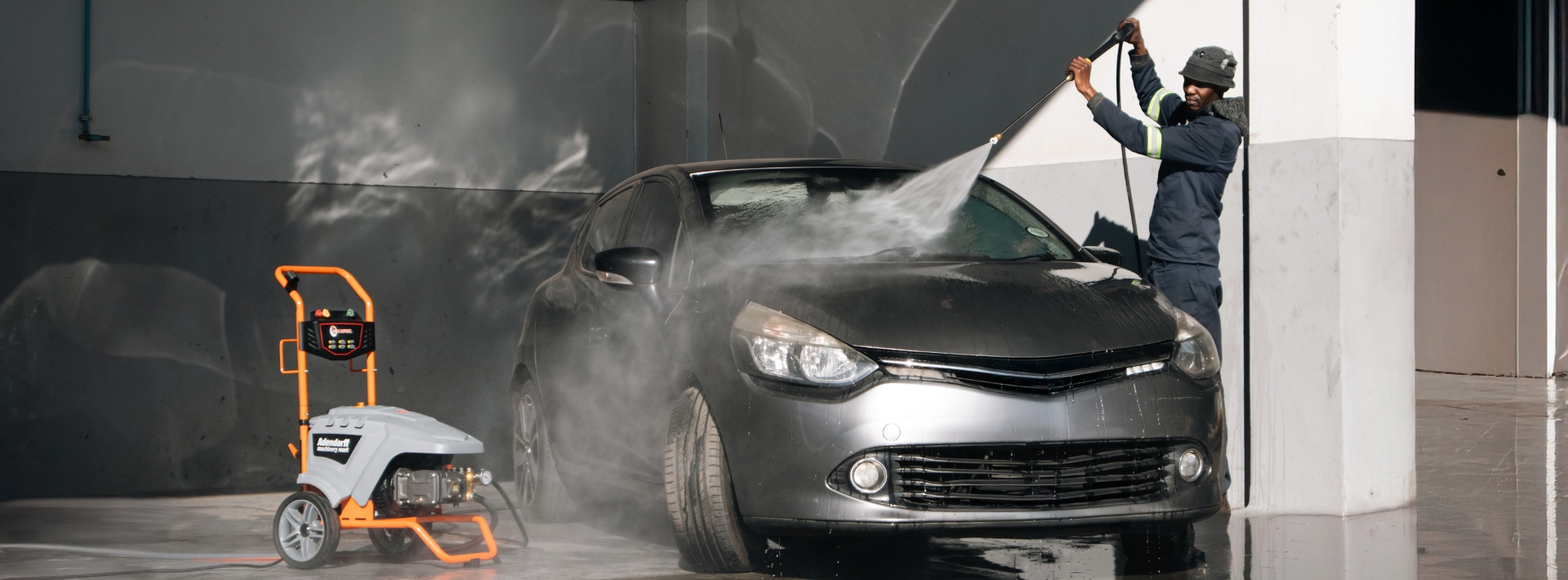
Most people wash their cars wrong. Not catastrophically wrong, but wrong enough that they're either wasting money on products that don't match their method, or they're working three times harder than necessary.
This guide changes that. Whether you've never washed a car before or you're running a mobile detailing business, you'll find the process, products, and practical advice that actually works on South African roads dust, pollen, coastal salt, and all.
Why Pressure Matters: Start With the Right Equipment
Before we talk about foam or wax, let's address the foundation: water pressure.
A garden hose won't cut it. Not for pre-rinsing, not for removing heavy dirt, and definitely not for getting into wheel arches where brake dust accumulates. You need a pressure washer, and you need one that won't die after six months.
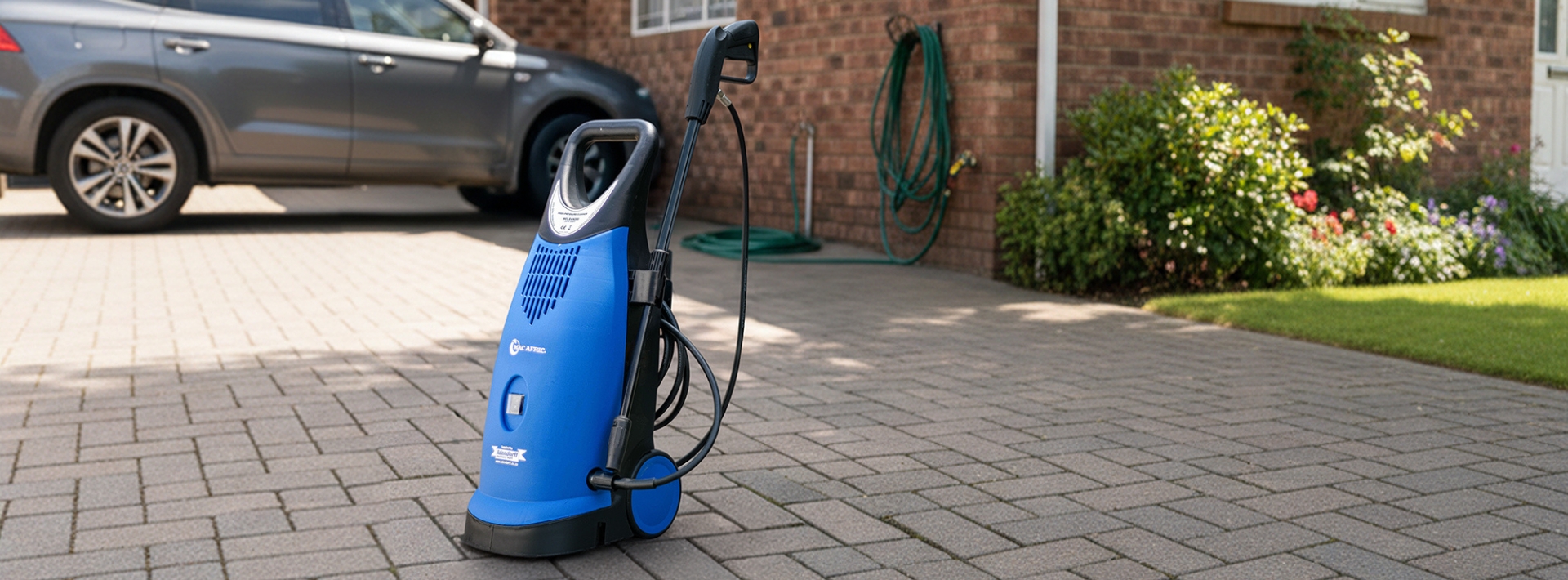
The MAC AFRIC 110 Bar Household Pressure Washer (HCLEAN200) is where most people should start. Here's why:
- 110 BAR (1,595 PSI): Strong enough to strip dirt without damaging paint
- 6 L/PM flow rate: Keeps your wash moving, no waiting around
- 1.9 KW motor: Reliable power for regular use
- Linear and fan spray patterns: Versatility for different surfaces
It's the tool that makes every other product in this guide work better. You can hand-wash a car with a bucket, but you'll spend an hour doing what a pressure washer does in fifteen minutes and you won't get the same results.
The First-Timer's Wash: Keep It Simple, Get It Right
If you've never washed a car properly, ignore the YouTube videos with seventeen products and someone using a buffer. Start here.
What You Actually Need:
- Pre-wash foam: Loosens dirt before you touch the paint
- Car shampoo: Cleans without stripping protection
- Wash mitt: Lifts dirt safely
- Drying towels: Prevents water spots
The Process:
Step 1: Pre-Rinse
Use your pressure washer to remove loose dirt, starting from the top and working down. Don't skip this. If you go straight to washing, you're grinding dirt into your paint.
Step 2: Snow Foam
Apply SHIELD Snow Foam (XCLEAN000)
through your pressure washer's foam cannon. The dense foam clings to the surface, breaking down grime while you wait. Leave it for 3-5 minutes, but don't let it dry.
Why this works: The foam does the heavy lifting. When you rinse it off, most of the contamination goes with it. That means less scrubbing and less chance of scratching your paint.
Step 3: Contact Wash
Fill a bucket with SHIELD High Foam Car Wash Shampoo
(XCLEAN001). The thick foam indicates good lubrication your SHIELD Microfibre Wash & Shine Detailing Mitt (XCLOTH003) should glide, not drag.
Work in sections. Rinse the mitt frequently. Never let it touch the ground.
Step 4: Rinse Thoroughly
Top to bottom again. Make sure no shampoo residue remains, especially around trim and badges.
Step 5: Dry
Use Tear-Away Detailing Towels
(XCLOTH020) to pat not wipe the water off. These coral fleece towels absorb fast and won't scratch. At 20 pieces for R250, you can dedicate clean towels to each section.
Time investment: 30-40 minutes
Cost to start: Under R600 (excluding pressure washer)
The Enthusiast's Wash: Add Protection and Shine
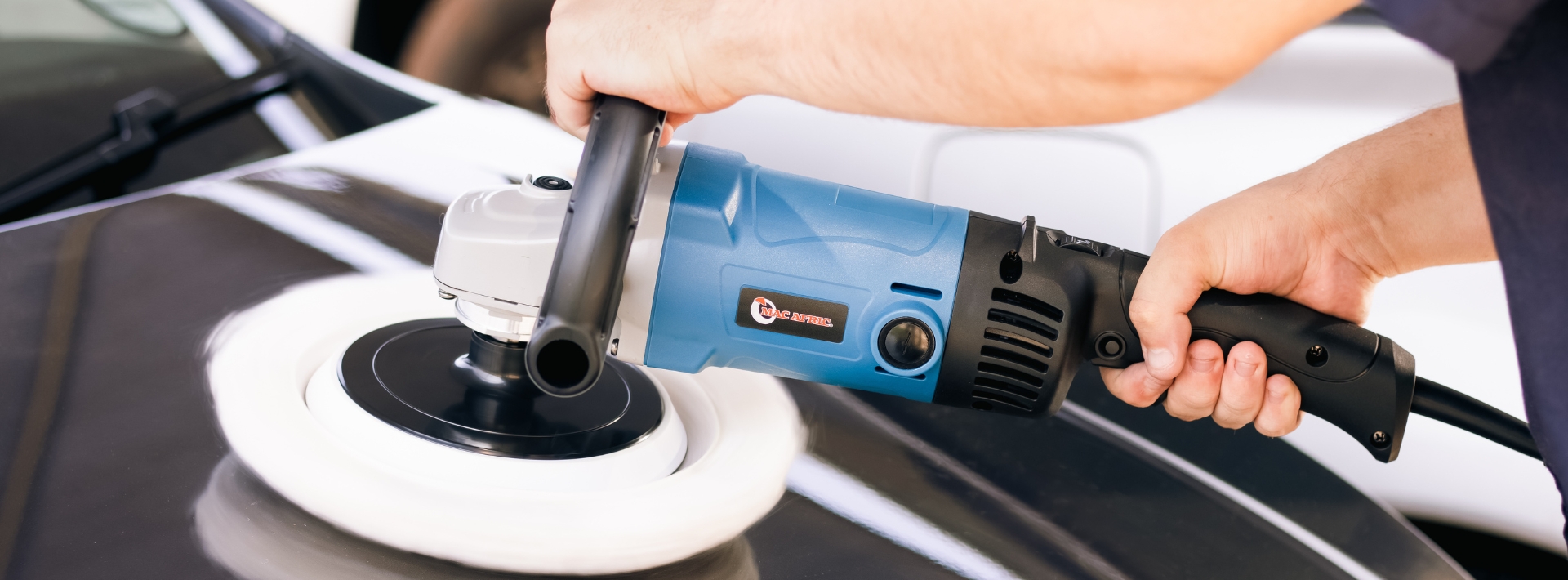
Once you've mastered the basics, you'll notice two things: your car looks better immediately after washing, but that shine fades within days. And certain contaminants tar spots, tree sap, industrial fallout don't come off with regular washing.
This is where detailing becomes interesting.
The Enhanced Process:
1. Decontamination
After your regular wash, your paint still has embedded contamination you can't see but can feel. Run your hand over the bonnet if it's not glass-smooth, you need to clay it.
The G3 PRO Deep Clean Clay Mitt (XCLEAN010) is faster and more forgiving than traditional clay bars. Spray G3 Pro Rmediad Detailer (XCLEAN012) as lubricant, then gently work the mitt across the paint. You'll feel the contamination being pulled away.
This step matters more than most people realise. Wax won't bond properly to contaminated paint, and polishing over embedded particles just spreads the damage.
2. Paint Correction (If Needed)
Light swirl marks, minor scratches, or faded paint? You have options:
- G3 PRO Scratch Remover (XPOLIS014): For isolated scratches that don't catch your fingernail
- G3 PRO Colour Restorer (XPOLIS013): Removes micro-scratches and oxidation across panels
- G3 PRO All-In-One Polish (XPOLIS012): Combines cutting power with finishing gloss ideal if you're working by hand
Apply with a microfibre applicator in small, overlapping circles. Work one panel at a time. Buff off before it dries.
3. Protection
Clean paint degrades quickly in South African sun. You need a barrier.
G3 PRO Resin Superwax (XPOLIS015) gives you that interlinked protection system a concentrated liquid that applies easily and lasts weeks. For faster application between full details, use G3 PRO Spray Wax (XPOLIS016). It works on wet or dry paint and adds a Carnauba layer in minutes.
The SHIELD alternative: SHIELD 500 ML Miraplate Liquid Car Polish (XPOLIS000) includes UV protection and rust inhibitors. At R65, it's the budget option that still delivers gloss and protection.
4. Wheels and Tyres
Brake dust is corrosive. Clean it regularly.
G3 PRO Wheel Cleaner (XCLEAN014) is pH-neutral, so it's safe on all finishes alloy, chrome, painted. The colour-changing technology shows you when it's working. Spray, wait for the purple reaction, agitate with a brush if needed, then rinse.
For tyres and trim, G3 PRO Super Dressing (XPOLIS017) restores that "new" look without leaving surfaces slippery. Use it on engine covers too just apply sparingly.
Time investment: 2-3 hours
Frequency: Monthly wash, quarterly protection
The Professional Approach: Efficiency and Consistency
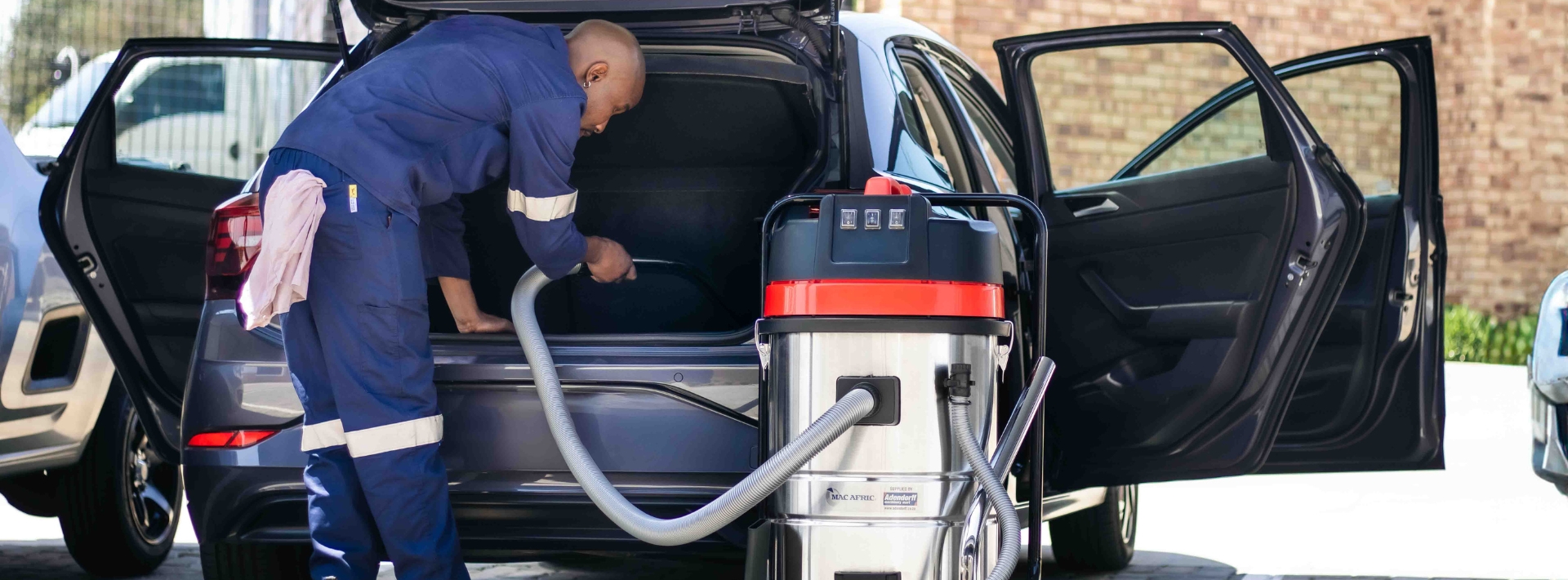
If you're detailing multiple cars weekly or running a business, your priorities shift. Speed matters. Repeatability matters. And your products need to work harder.
Professional Considerations:
1. Pre-Wash Systems
You're not hand-applying snow foam to twenty cars. You need bulk solutions.
SHIELD High Foam Car Wash Shampoo (XCLEAN001) comes in 5-litre containers (XCLEAN001) for R160. Mix it into foam cannons for consistent coverage. The high-foaming formula means less product per wash your cost per vehicle drops significantly.
For maintenance washes where heavy degreasing isn't needed, SHIELD Splash Car Shampoo (XCLEAN003) (XCLEAN003) cleans and waxes simultaneously. 5 litres at R150 handles dozens of vehicles.
2. Multi-Surface Cleaning
Professional detailing means cleaning everything: interiors, engine bays, door shuts, wheel arches.
G3 PRO Multicleaner (XCLEAN011) is the rigorous all-purpose cleaner that works neat for heavy contamination or diluted for lighter jobs. It won't discolour plastics, rubber, or vinyl essential when you're working across different materials quickly.
For interiors, SHEEN SH68 NU CAR 300ml (XCLEAN009) handles vinyl, plastic, and rubber. It prevents cracking and discolouration, which matters when you're maintaining customer vehicles long-term.
3. Time-Saving Tools
The MAC AFRIC Cordless Vacuum
(HVACUM004) gives you 20-40 minutes of runtime without dragging cables between bays. Multiple nozzles mean you're not constantly switching tools. At R2,195, it pays for itself in time saved within weeks.
4. Workflow Efficiency
Your process should flow:
- Pre-rinse (pressure washer)
- Snow foam application
- While foam dwells, vacuum interior
- Rinse and contact wash
- Wheels while paint is still wet
- Clay if needed
- Polish/wax
- Interior dressing
- Final inspection
With the right products and equipment, you can detail a standard sedan to a high standard in 90 minutes. Rush it and you'll miss spots. Take three hours and you're losing money.
Common Mistakes (And How to Avoid Them)
Washing in direct sunlight: Products dry too quickly, leaving streaks and making buffing difficult. Work in shade or during cooler parts of the day.
Using one bucket: You're just redistributing dirt. Use two buckets one for shampoo, one for rinsing your mitt.
Circular motions: Straight lines, overlapping passes. If you do create swirls, they're easier to polish out when they all run the same direction.
Neglecting wheels first: Wheel cleaner spray often hits paintwork. Clean wheels before you polish paint, not after.
Skipping the dry: Water spots are mineral deposits that etch into paint. They're harder to remove than simply drying properly in the first place.
Not reading product instructions: Different products have different dwell times and dilution ratios. "More product = better results" usually means "wasted product + more work."
Matching Products to Your Situation
Budget-Conscious Starting Point:
- MAC AFRIC 110 Bar Pressure Washer
- SHIELD Snow Foam
- SHIELD High Foam Shampoo (5L)
- SHIELD Wash Mitt
- Tear-Away Detailing Towels
- SHIELD 500 ML Miraplate Liquid Car Polish
Total cost: Approximately R2,700
What you get: Complete washing and basic protection system
Enthusiast Setup:
Add:
- G3 PRO Deep Clean Clay Mitt
- G3 Pro Rmediad Detailer
- G3 PRO All-In-One Polish
- G3 PRO Resin Superwax
- G3 PRO Wheel Cleaner
Additional cost: Approximately R1,600
What you get: Full decontamination, paint correction, and long-lasting protection
Professional Kit:
All of the above, plus:
Full investment: R6,000-R7,000
What you get: Everything needed to detail vehicles professionally
The Maintenance Schedule That Actually Works
Weekly (if you drive daily on dusty roads):
- Rinse with pressure washer
- Quick spray wax application
Fortnightly:
- Full wash with snow foam and shampoo
- Quick wheel clean
Monthly:
- Decontamination with clay mitt
- Check and top up wax/sealant
Quarterly:
- Paint correction if needed
- Full protection application (wax or sealant)
- Deep clean interior
Annually:
- Professional assessment of paint condition
- Consider ceramic coating or paint protection film
Why Adendorff's Partnership With Bulldog Abrasives Matters
Since 1995, Bulldog Abrasives has supplied abrasives and accessories to automotive, marine, woodworking, and composite industries. Their expertise in surface preparation and finishing complements the detailing process especially when you're moving beyond cleaning into paint correction.
Whether you're sanding rust spots before treatment, prepping bodywork for paint, or finishing composite repairs, the combination of proper surface preparation (Bulldog's domain) and proper protection (what we've covered here) gives you results that last.
Watch Bulldog Abrasives' approach
Browse Bulldog catalogue
The reality is that serious car care involves both removing imperfections and preventing new ones. You need the right abrasives for correction and the right detailing products for protection. That's why this partnership makes sense.
What to Do Next
You have three options:
1. Start Simple
Buy the MAC AFRIC pressure washer and basic SHIELD products. Learn the fundamentals. Get comfortable with the process. Add products as you identify what your car needs.
2. Go Comprehensive
If you're committed to maintaining your vehicle properly, invest in the G3 PRO range from the start. The products work together as a system each step prepares for the next.
3. Get Professional
If you're setting up a detailing business or already running one, you need bulk quantities and reliable equipment. The 5-litre shampoos, commercial-grade pressure washer, and professional-line G3 PRO products give you consistency across jobs.
Find your nearest Adendorff store: Store Locator
Browse the full catalogue: 2025 Catalogues
The difference between a car that looks clean and a car that looks maintained is often just knowledge and the right products. Everything in this guide is available now, in stock, at any Adendorff Machinery Mart nationwide.
What you do with that information is up to you.
Frequently Asked Questions: Car Detailing
What is the difference between a car wash and car detailing?
A standard car wash removes surface dirt, while detailing involves deep cleaning, decontaminating, correcting paint, and applying protective layers. Detailing restores the finish and enhances the appearance significantly.
Can I detail my car without a pressure washer?
You can, but a pressure washer significantly improves effectiveness, especially during pre-rinse and snow foam stages. It reduces the risk of scratching by removing loose contaminants efficiently.
How often should I wax or polish my car?
Waxing is typically done every 2–3 months, while polishing is only necessary every few months or when correcting paint defects like swirls or oxidation. Over-polishing can thin the clear coat.
Is snow foam necessary or just a trend?
Snow foam isn't just hype—it lifts and softens dirt before you touch the paint, significantly reducing the risk of scratches. It's a key step in safer, more effective washing.
Why use two buckets when washing a car?
The two-bucket method (one for clean soapy water, one for rinsing the mitt) minimizes the chance of reapplying dirt to your car’s surface and scratching the paint.
What’s the best way to dry a car after washing?
Use microfiber or coral fleece drying towels and blot the surface instead of wiping to prevent streaks and scratches. Avoid using chamois or household towels.
Can I use dish soap to wash my car?
No. Dish soap strips protective wax layers and can damage paint over time. Always use pH-balanced shampoos made for automotive paint.
Is it okay to wash my car in direct sunlight?
It's not recommended. Products dry too fast in the sun, leading to streaks and water spots. Always wash in the shade or early morning/late afternoon.
How can I tell if my paint needs claying?
After washing and drying, gently run your hand over the paint. If it feels rough, there's bonded contamination—use a clay mitt or bar to remove it.
Can I detail my car if it's wrapped or has PPF (paint protection film)?
Yes, but use products specifically marked as safe for wraps or PPF. Avoid abrasive polishes. Wax and quick detailers are usually safe, but always test first.