
Corded vs Cordless Power Tools: Choosing the Right System for the Job
Corded vs Cordless Power Tools: Choosing the Right System for the Job
Evolving from Plugged-In to Portable
The corded power tool laid the foundation for modern workshop equipment. For decades, the only way to get consistent torque and speed was to plug directly into mains power. This changed gradually as manufacturers explored cordless technology in response to growing demands for mobility.
Early cordless systems, powered by nickel-cadmium batteries, were underpowered and heavy, making them suitable only for light domestic tasks. The arrival of lithium-ion technology in the 2000s completely transformed expectations. Today, compact batteries deliver near-corded levels of performance, and fast-charging systems make cordless tools viable for trade work.
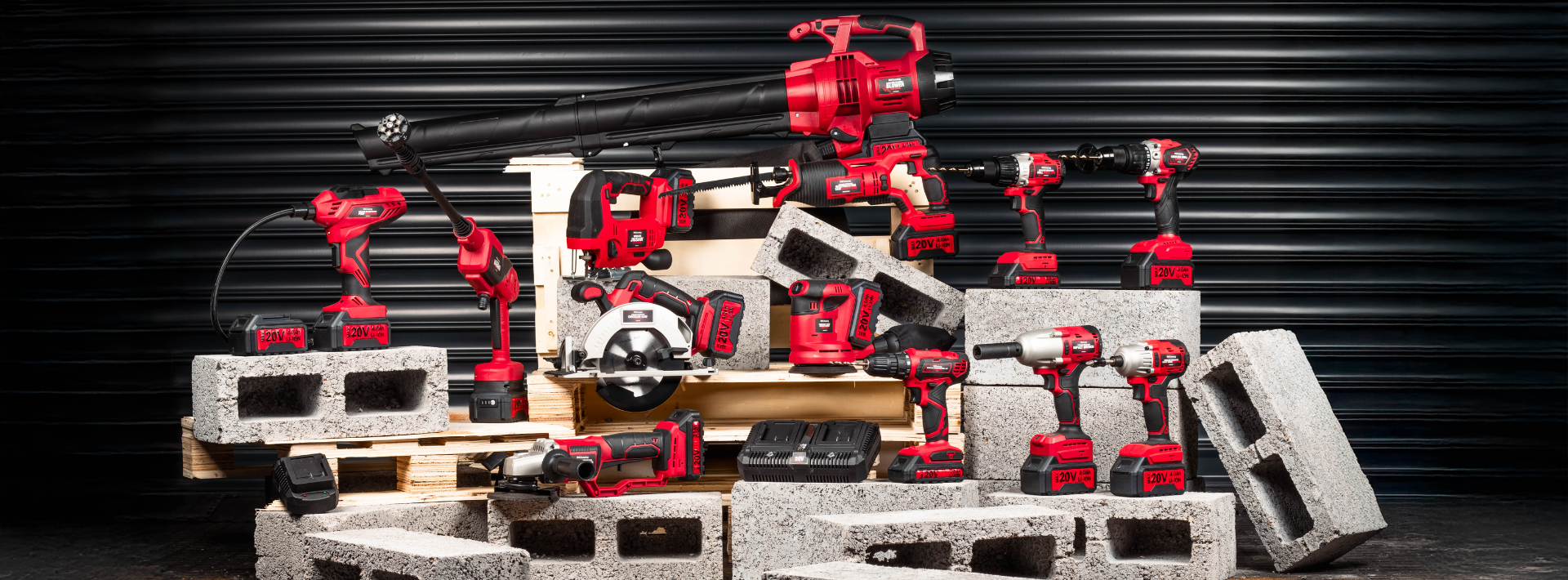
Our MAC AFRIC and Kinway ranges reflect this evolution. MAC AFRIC corded machines provide unwavering power for high-load applications, while Kinway's 20V platform offers portable performance that keeps pace with most professional needs.
Understanding the Core Differences
Power Delivery and Performance Stability
Corded tools draw a steady 230V current from the mains, providing constant wattage for as long as the tool is in use.
A 850W MAC AFRIC grinder will output full rated power from the first to the last cut, without fluctuations.
Cordless tools, by contrast, depend on battery voltage, which drops as energy depletes. A fully charged 20V Kinway battery starts at roughly 21V and tapers down toward 16V before the protection circuit stops discharge. While this voltage drop is rarely noticeable for drilling or fastening, it can affect cutting and mixing operations that require sustained torque.
Weight, Balance, and Handling
A cordless unit must carry its power source. A 20V 2.0Ah lithium-ion battery typically adds 400–500 g to a tool’s total weight. That may seem minimal, but over long overhead sessions such as installing fixtures it can lead to user fatigue.
Corded tools, on the other hand, are lighter but constrained by their cable. Managing cords on crowded job sites introduces a different type of strain and safety concern. Workers often need to plan movements around cables to avoid tangling or tripping hazards.
Cost and Longevity
At first glance, corded tools appear more affordable. A MAC AFRIC corded grinder, for instance, might cost around R800 and will serve reliably for many years with only basic maintenance.
A Kinway cordless system requires an initial investment in batteries and a charger. However, the flexibility it brings often outweighs the added cost, particularly when the same battery platform powers multiple tools. Lithium-ion packs typically last 300–500 cycles before noticeable capacity loss, after which replacements are straightforward.
Choosing by Application
In a fixed workshop where constant output is essential such as metal fabrication, timber cutting, or concrete mixing, corded equipment remains the logical choice. Continuous power eliminates downtime and ensures consistent torque under load.
For mobile, overhead, or on-site work, cordless tools shine. Roof installations, cabinetry, and general construction benefit greatly from unrestricted movement. The Kinway 20V brushless range offers reliable runtime, fast swapping between charged batteries, and the freedom to work without power leads getting in the way.
Battery Behaviour and Power Curve
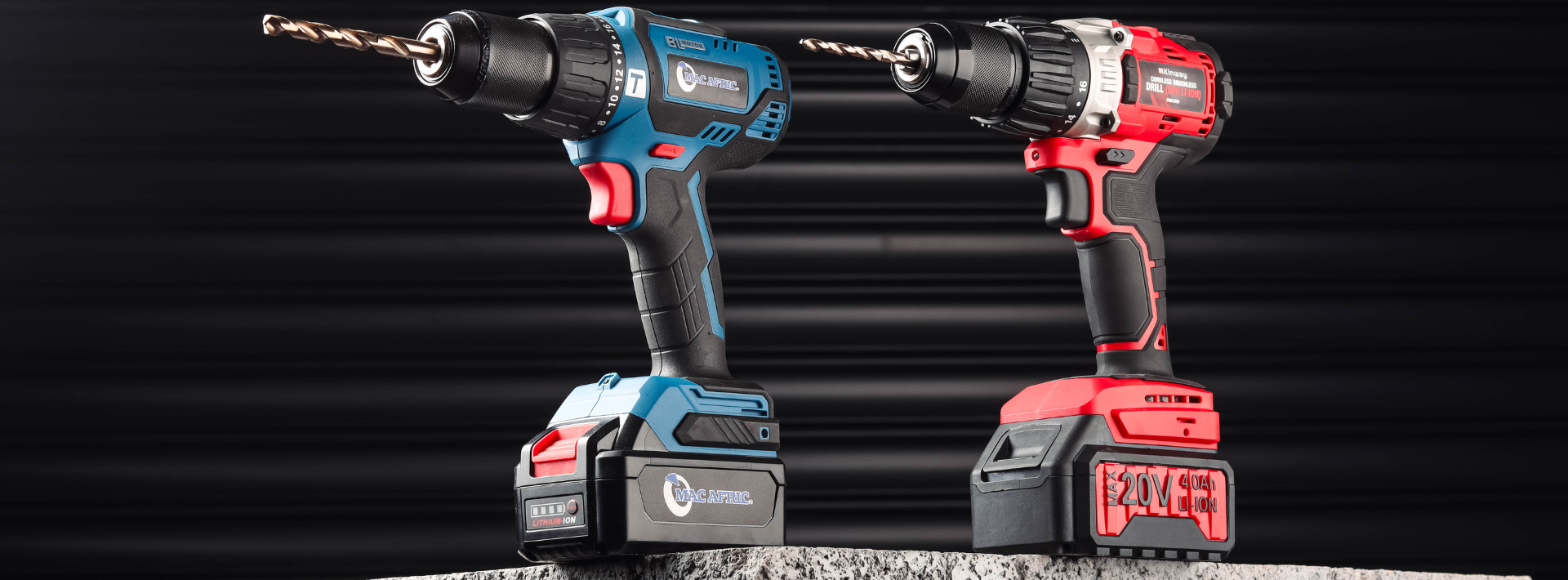
Cordless tool performance naturally declines as voltage falls. Quality electronics in brushless models help stabilise output, but the change becomes noticeable near the final stages of discharge.
Typical power curve for a 20V battery system:
- 100–80% charge: full rated performance
- 80–50%: mild voltage drop, little impact on speed
- 50–30%: moderate reduction under heavy load
- Below 30%: noticeable slowdown and reduced torque
For demanding applications, professionals often rotate batteries before they fall below 40% capacity to maintain consistent performance.
Building an Effective Tool Setup
The best solution isn’t choosing one type over the other, it's knowing where each excels. A balanced workshop uses both corded and cordless equipment strategically.
Recommended MAC AFRIC corded tools
- Bench-mounted machines such as drill presses and grinders
- High-power saws for repetitive cutting
- Mixing drills for concrete or plaster work
Recommended Kinway cordless tools
- 20V brushless drill and driver for versatile site work
- Reciprocating and circular saws for mobility
- Compact grinders and jig saws for flexible finishing tasks
By using a shared Kinway 20V battery system, one set of batteries can power the entire cordless range, reducing both cost and charging complexity.
Making an Informed Decision
When deciding between corded and cordless, consider these key questions:
- Work environment: Stationary workshop or mobile site?
- Duration of use: Long continuous tasks or intermittent daily work?
- Frequency: Professional daily use or occasional weekend projects?
- Power requirements: Heavy-duty grinding versus light drilling?
- Battery platform: Do you already own compatible Kinway batteries?
Answering these points will guide your purchase and help you build a reliable, cost-efficient toolkit.
The Direction of Power Tools
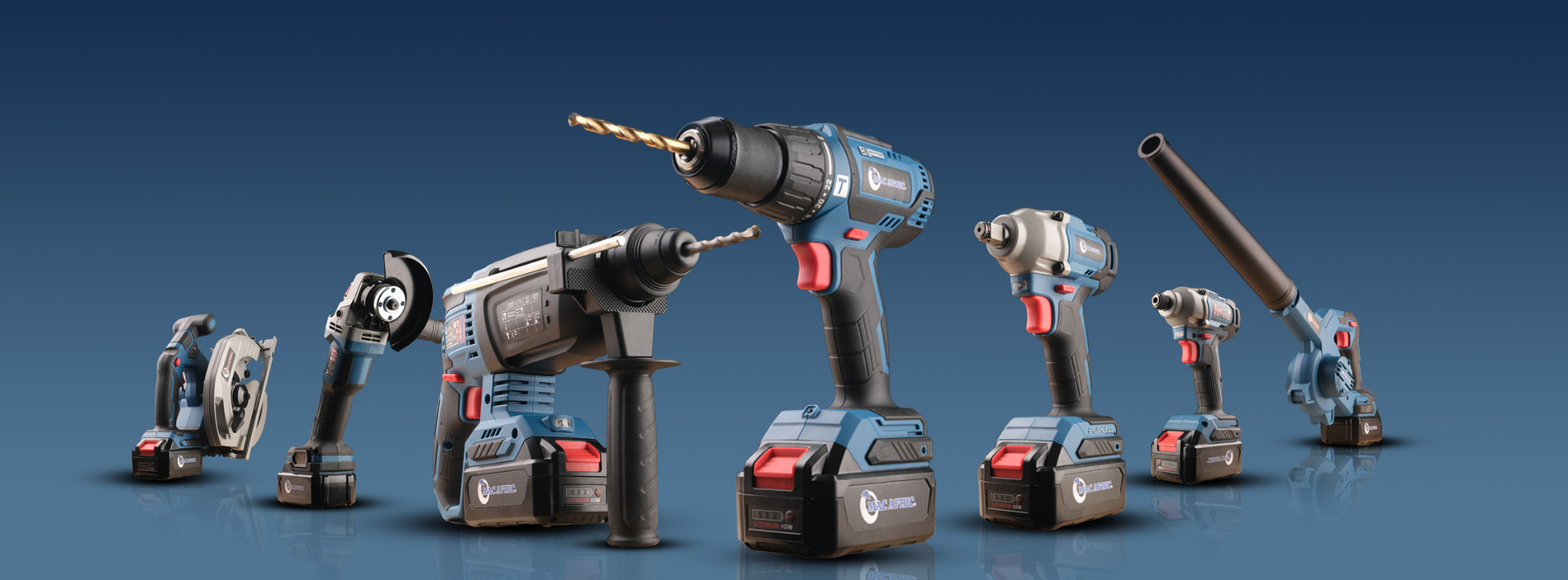
Battery technology continues to advance rapidly. Energy density has doubled in the last decade while charging times and costs have decreased. Kinway’s brushless motors already demonstrate how much performance can be extracted from compact 20V cells.
Still, physics has limits: batteries add weight and degrade over time, whereas mains electricity remains the unmatched source for constant heavy-load power. Both systems will coexist for the foreseeable future, each serving its ideal purpose.
Final Thoughts
The corded versus cordless debate isn’t about superiority, it's about suitability. For most users, the optimal setup includes both: MAC AFRIC corded tools for stationary, high-demand operations, and Kinway cordless tools for jobs where mobility and convenience matter most.
Start with a Kinway drill kit to establish your cordless base, then expand with tool-only units as your projects grow. Combine this with a few trusted MAC AFRIC corded machines for continuous workshop power, and you’ll have a balanced toolkit ready for any task.
Corded vs Cordless Power Tools: Choosing the Right System for the Job
Evolving from Plugged-In to Portable
The corded power tool laid the foundation for modern workshop equipment. For decades, the only way to get consistent torque and speed was to plug directly into mains power. This changed gradually as manufacturers explored cordless technology in response to growing demands for mobility.
Early cordless systems, powered by nickel-cadmium batteries, were underpowered and heavy, making them suitable only for light domestic tasks. The arrival of lithium-ion technology in the 2000s completely transformed expectations. Today, compact batteries deliver near-corded levels of performance, and fast-charging systems make cordless tools viable for trade work.
Our MAC AFRIC and Kinway ranges reflect this evolution. MAC AFRIC corded machines provide unwavering power for high-load applications, while Kinway’s 20V platform offers portable performance that keeps pace with most professional needs.
Understanding the Core Differences

Power Delivery and Performance Stability
Corded tools draw a steady 230V current from the mains, providing constant wattage for as long as the tool is in use. A 2 000 W MAC AFRI grinder will output full rated power from the first to the last cut, without fluctuations.
Cordless tools, by contrast, depend on battery voltage, which drops as energy depletes. A fully charged 20V Kinway battery starts at roughly 21V and tapers down toward 16V before the protection circuit stops discharge. While this voltage drop is rarely noticeable for drilling or fastening, it can affect cutting and mixing operations that require sustained torque.
Weight, Balance, and Handling
A cordless unit must carry its power source. A 20V 2.0Ah lithium-ion battery typically adds 400–500 g to a tool’s total weight. That may seem minimal, but over long overhead sessions such as installing fixtures it can lead to user fatigue.
Corded tools, on the other hand, are lighter but constrained by their cable. Managing cords on crowded job sites introduces a different type of strain and safety concern. Workers often need to plan movements around cables to avoid tangling or tripping hazards.
Cost and Longevity
At first glance, corded tools appear more affordable. A MAC AFRIC corded grinder, for instance, might cost around R800 and will serve reliably for many years with only basic maintenance.
A Kinway cordless system requires an initial investment in batteries and a charger. However, the flexibility it brings often outweighs the added cost, particularly when the same battery platform powers multiple tools. Lithium-ion packs typically last 300–500 cycles before noticeable capacity loss, after which replacements are straightforward.
Choosing by Application
In a fixed workshop where constant output is essential such as metal fabrication, timber cutting, or concrete mixing, corded equipment remains the logical choice. Continuous power eliminates downtime and ensures consistent torque under load.
For mobile, overhead, or on-site work, cordless tools shine. Roof installations, cabinetry, and general construction benefit greatly from unrestricted movement. The Kinway 20V brushless range offers reliable runtime, fast swapping between charged batteries, and the freedom to work without power leads getting in the way.
Battery Behaviour and Power Curve

Cordless tool performance naturally declines as voltage falls. Quality electronics in brushless models help stabilise output, but the change becomes noticeable near the final stages of discharge.
Typical power curve for a 20V battery system:
- 100–80% charge: full rated performance
- 80–50%: mild voltage drop, little impact on speed
- 50–30%: moderate reduction under heavy load
- Below 30%: noticeable slowdown and reduced torque
For demanding applications, professionals often rotate batteries before they fall below 40% capacity to maintain consistent performance.
Building an Effective Tool Setup
The best solution isn’t choosing one type over the other, it's knowing where each excels. A balanced workshop uses both corded and cordless equipment strategically.
Recommended MAC AFRIC corded tools
- Bench-mounted machines such as drill presses and grinders
- High-power saws for repetitive cutting
- Mixing drills for concrete or plaster work
Recommended Kinway cordless tools
- 20V brushless drill and driver for versatile site work
- Reciprocating and circular saws for mobility
- Compact grinders and jig saws for flexible finishing tasks
By using a shared Kinway 20V battery system, one set of batteries can power the entire cordless range, reducing both cost and charging complexity.
Making an Informed Decision
When deciding between corded and cordless, consider these key questions:
- Work environment: Stationary workshop or mobile site?
- Duration of use: Long continuous tasks or intermittent daily work?
- Frequency: Professional daily use or occasional weekend projects?
- Power requirements: Heavy-duty grinding versus light drilling?
- Battery platform: Do you already own compatible Kinway batteries?
Answering these points will guide your purchase and help you build a reliable, cost-efficient toolkit.
The Direction of Power Tools

Battery technology continues to advance rapidly. Energy density has doubled in the last decade while charging times and costs have decreased. Kinway’s brushless motors already demonstrate how much performance can be extracted from compact 20V cells.
Still, physics has limits: batteries add weight and degrade over time, whereas mains electricity remains the unmatched source for constant heavy-load power. Both systems will coexist for the foreseeable future, each serving its ideal purpose.
Final Thoughts
The corded versus cordless debate isn’t about superiority, it's about suitability. For most users, the optimal setup includes both: MAC AFRIC corded tools for stationary, high-demand operations, and Kinway cordless tools for jobs where mobility and convenience matter most.
Start with a Kinway drill kit to establish your cordless base, then expand with tool-only units as your projects grow. Combine this with a few trusted MAC AFRI corded machines for continuous workshop power, and you’ll have a balanced toolkit ready for any task.