Brushed vs Brushless Systems: What’s the Real Difference in Power Tools?
Brushed vs Brushless Systems: What's the Real Difference in Power Tools?
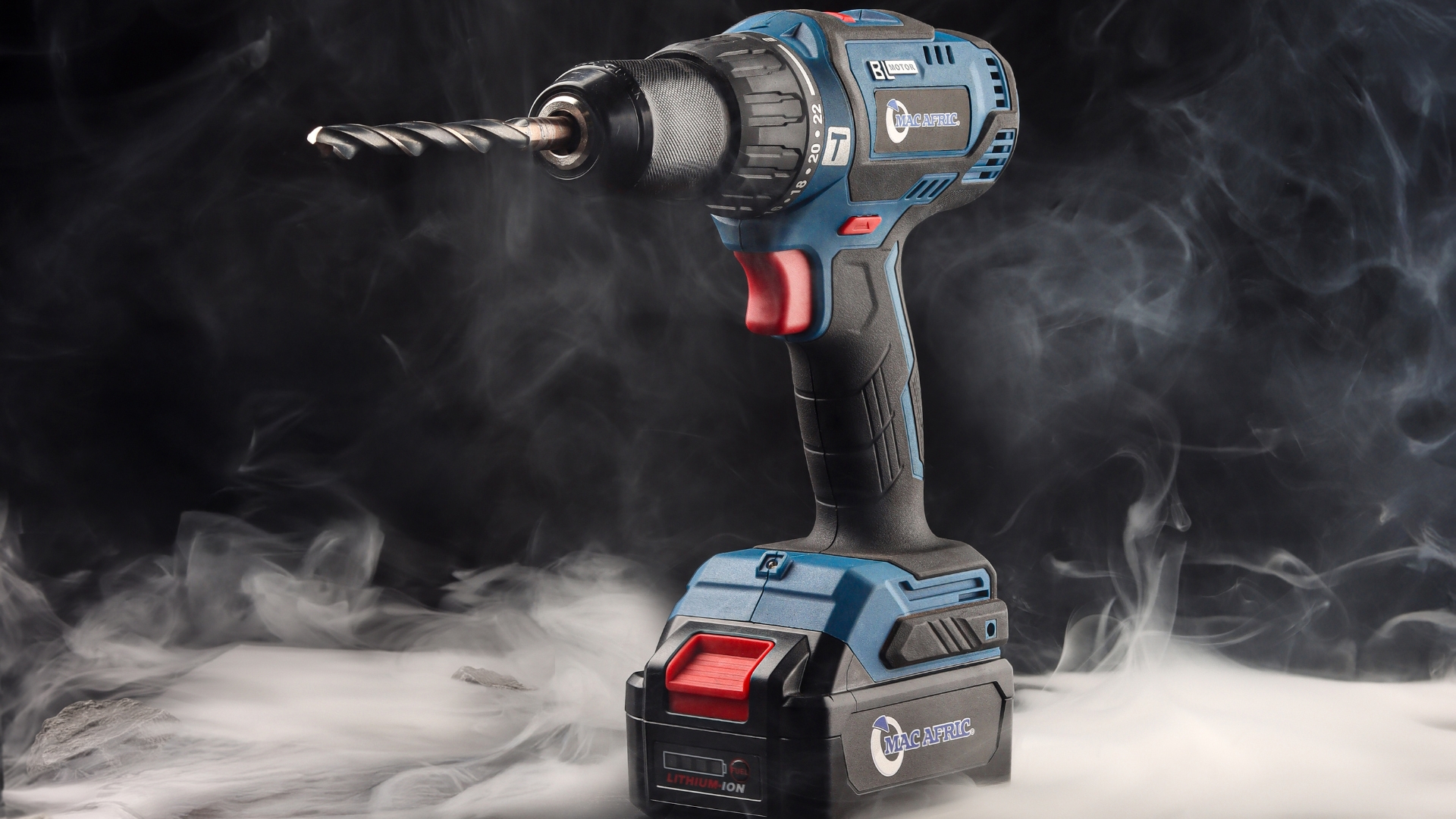
Whether you're a weekend DIYer or a seasoned tradesperson, understanding the difference between brushed and brushless power tools is key to choosing the right tool for the job. This guide explains how each motor type works, their pros and cons, and why the right tool depends on your application needs.
What is a Brushed Motor?
Brushed motors use carbon brushes that make contact with a commutator to power the motor. While this system is straightforward and cost-effective, the friction generated causes heat buildup and brush wear over time, requiring occasional maintenance.
What is a Brushless Motor?
Brushless motors eliminate the need for brushes by using an electronic controller. This design improves efficiency, reduces heat, minimises maintenance, and extends the lifespan of the tool. These motors are also typically quieter and more compact.
The History: How We Got Here
Brushed motors have been the workhorse of power tools since the early 20th century. Their simple, reliable design made cordless tools possible and affordable for millions of users worldwide. However, as battery technology advanced and users demanded longer runtime and more power, manufacturers began developing brushless technology in the early 2000s.
Initially used in high-end professional tools, brushless motors have now become increasingly accessible across all price points. Today's brushless technology represents decades of refinement in electronic control systems, rare-earth magnets, and motor design—all working together to deliver superior performance.
Brushed vs Brushless: Pros & Cons
Brushed Tools
- ✅ Lower upfront cost
- ✅ Allows easy owner maintenance
- ❌ Shorter lifespan due to brush wear
- ❌ Generates more heat and friction
- ❌ Noisier operation
Brushless Tools
- ✅ Longer lifespan
- ✅ Better energy efficiency
- ✅ Quieter and cooler operation
- ✅ Compact design
- ❌ Higher upfront cost
Comparison Overview
| Feature | Brushed Motor | Brushless Motor |
|---|---|---|
| Efficiency | Lower due to friction | Higher with electronic control |
| Maintenance | Requires brush replacement; allows owner maintenance | Minimal maintenance required |
| Durability | Moderate lifespan | Longer lifespan |
| Heat & Noise | Hotter and noisier | Cooler and quieter |
| Tool Size | Usually larger | More compact design |
Deep Dive: How Each Motor Type Actually Works
Inside a Brushed Motor:
In a brushed motor, electrical current flows through carbon brushes that press against a rotating commutator. This commutator is attached to the armature (the rotating part), which contains wire coils. As current flows through these coils, it creates a magnetic field that interacts with permanent magnets in the motor housing, causing rotation.
The clever part is the commutator: as it rotates, it constantly switches which coils receive power, maintaining continuous rotation. However, this constant contact between brushes and commutator creates friction, sparks, heat, and gradual wear—which is why brushes eventually need replacement.
Inside a Brushless Motor:
Brushless motors flip the design: permanent magnets are attached to the rotor (the spinning part), while electromagnets remain stationary around the outside. An electronic controller board rapidly switches current to different electromagnet coils in precise sequence, creating a rotating magnetic field that pulls the permanent magnets around.
This electronic "commutation" eliminates physical contact and friction, resulting in dramatically improved efficiency and lifespan. The controller can also intelligently adjust power delivery based on load, providing consistent performance whether you're drilling through soft wood or hard steel.
Performance by the Numbers
Understanding the real-world performance differences can help you make a more informed decision:
- Battery Runtime: Brushless tools typically deliver 30-50% longer runtime on the same battery charge compared to brushed equivalents.
- Motor Lifespan: Brushed motors generally last between 1,000-3,000 hours of use before requiring brush replacement, while brushless motors can exceed 10,000 hours with minimal maintenance.
- Power Efficiency: Brushless motors convert approximately 85-90% of electrical energy into mechanical power, compared to 75-80% for brushed motors.
- Heat Generation: Brushless tools run significantly cooler, which not only extends component life but also allows for longer continuous use without overheating.
- Torque Delivery: Brushless motors maintain consistent torque across their entire speed range, while brushed motors may lose power under heavy load.
- Weight Savings: Brushless tools are typically 10-20% lighter than equivalent brushed models due to more efficient motor design and less need for cooling mechanisms.
Exploded View: Inside a Brushless Drill
This exploded view of a Kinway brushless drill shows how brushless motors reduce moving parts while improving performance. Each component contributes to smoother operation and extended life:
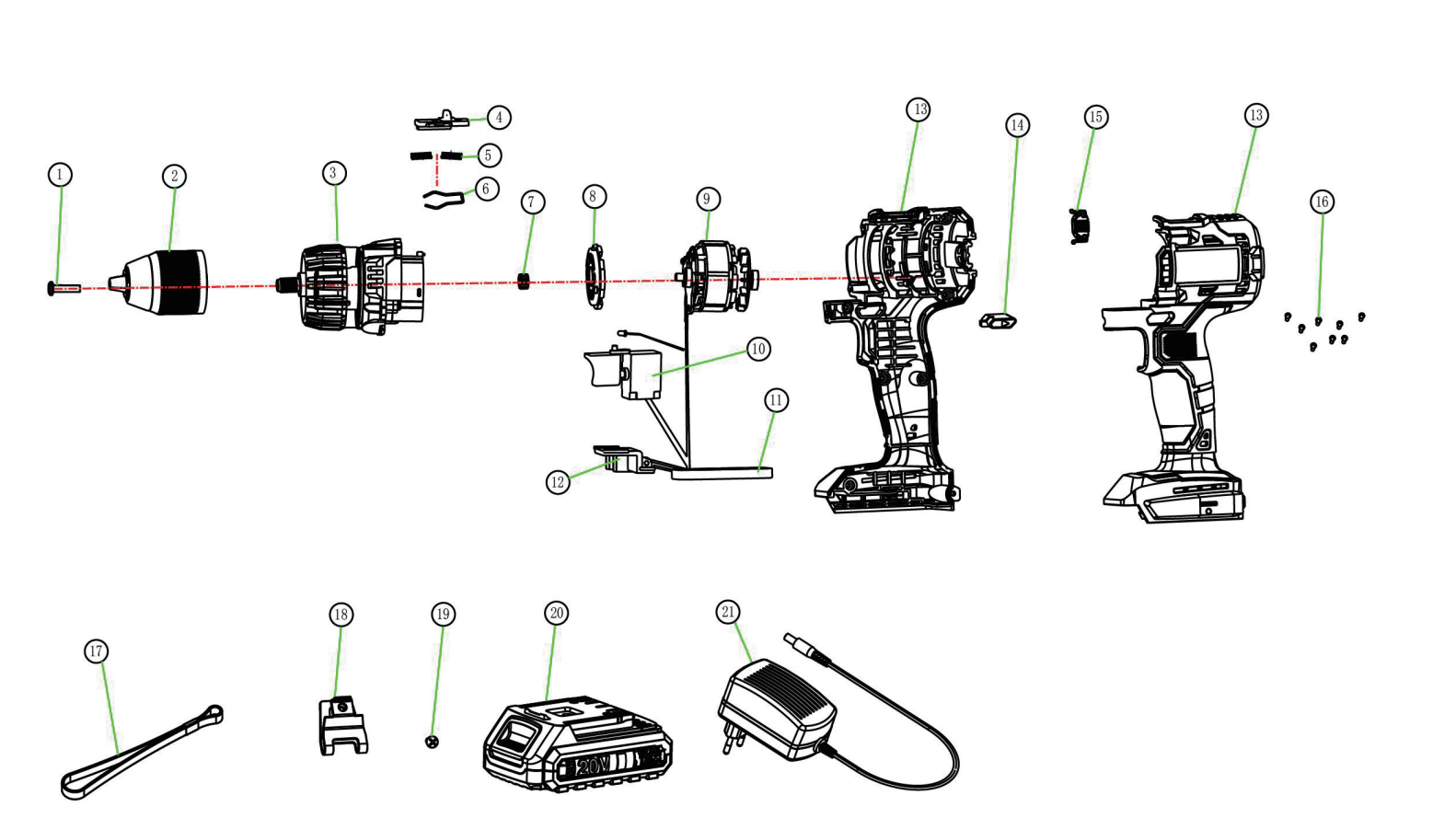
*Image is for illustration purposes only.
Key Components:
- Brushless Motor
- Electronic Controller and Switch Assembly
- Battery Pack and Charger (Sold Separately)
- Keyless Chuck and Gearbox Assembly
Environmental Impact and Sustainability
The choice between brushed and brushless tools also has environmental implications worth considering:
Brushless Advantages:
- Longer Product Lifespan: Fewer tools ending up in landfills due to extended service life
- Reduced Battery Consumption: Better efficiency means fewer battery charge cycles and longer battery life
- Lower Energy Usage: More efficient motors draw less power from the grid during charging
- Fewer Replacement Parts: No regular brush replacements means less manufacturing and shipping of spare parts
Brushed Considerations:
- Repairability: User-serviceable components align with right-to-repair principles
- Simpler Construction: Less complex electronics may be easier to recycle at end of life
- Replacement Brushes: Small carbon brushes are relatively low-impact to manufacture and ship
Common Myths and Misconceptions
Myth: "Brushless tools are always more powerful"
Reality: Power output depends on multiple factors including battery voltage, motor size, and gearing. While brushless motors are more efficient, a well-designed brushed tool can deliver comparable power for many applications. The real advantage of brushless is sustained power delivery and efficiency, not necessarily raw maximum output.
Myth: "Brushed motors are obsolete and should be avoided"
Reality: Brushed motors remain an excellent choice for occasional users, budget-conscious buyers, and those who value user serviceability. Not everyone needs the premium features of brushless technology.
Myth: "Brushless tools never need maintenance"
Reality: While they don't require brush replacement, brushless tools still benefit from regular cleaning, lubrication of gears, and proper battery care. The "maintenance-free" label refers specifically to the motor, not the entire tool.
Myth: "You can't feel the difference in everyday use"
Reality: Users consistently report noticeable differences in runtime, heat generation, weight, and sustained performance under load. The difference becomes more apparent during extended use or demanding applications.
Real-World Use Cases: Which Tool for Which Job?
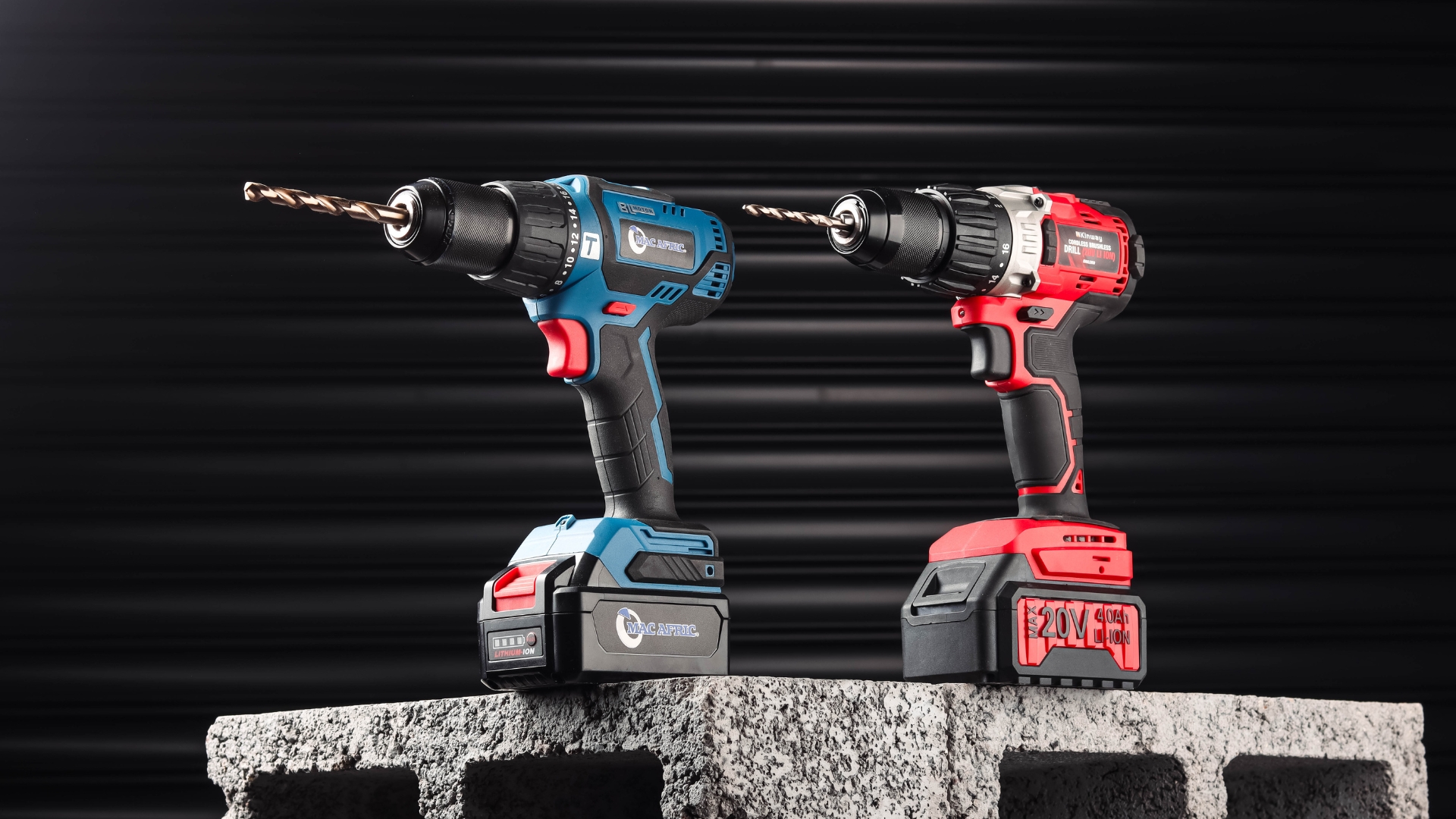
Here's how to match the right motor type to your specific needs:
Choose Brushed Tools If You:
- Use your tools occasionally (less than 5 hours per month)
- Need a tool for basic home repairs and light projects
- Prefer to perform your own maintenance and repairs
- Are building your first tool collection on a budget
- Work in environments where tool theft or loss is a concern
Choose Brushless Tools If You:
- Use your tools daily or for extended periods
- Work professionally in construction, carpentry, or trades
- Need maximum battery runtime for remote job sites
- Tackle demanding projects like deck building, renovation work, or heavy-duty applications
- Want tools that will last for years of intensive use
- Work in tight spaces where compact, lightweight tools matter
Perfect for Both Types:
If you're a hobbyist woodworker, home renovator, or serious DIY enthusiast who uses tools regularly but not professionally, consider starting with brushed tools for basic applications and investing in brushless versions for your most-used tools like drills and impact drivers.
Tool-Specific Recommendations
Drills and Drivers:
Brushless is worth it if: You use these tools frequently for extended periods. The improved runtime and reduced weight make a significant difference during all-day use or overhead work.
Brushed is fine if: You need a drill for occasional holes and light fastening work around the home.
Impact Drivers and Wrenches:
Brushless strongly recommended: These tools work under high load conditions where brushless efficiency and heat management provide major advantages. The sustained torque delivery is particularly beneficial.
Circular Saws and Reciprocating Saws:
Brushless highly recommended: These power-hungry tools benefit enormously from brushless efficiency, delivering more cuts per battery charge and maintaining power through tough materials.
Sanders and Grinders:
Consider your usage: For occasional DIY use, brushed tools work well. For professional use or extended sanding sessions, brushless models run cooler and provide more consistent performance.
Light-Duty Tools (Inflators, LED Work Lights, etc.):
Brushed is usually sufficient: These tools draw minimal power and aren't used for extended periods, making the efficiency gains of brushless less impactful.
Understanding the Investment: Cost vs. Value
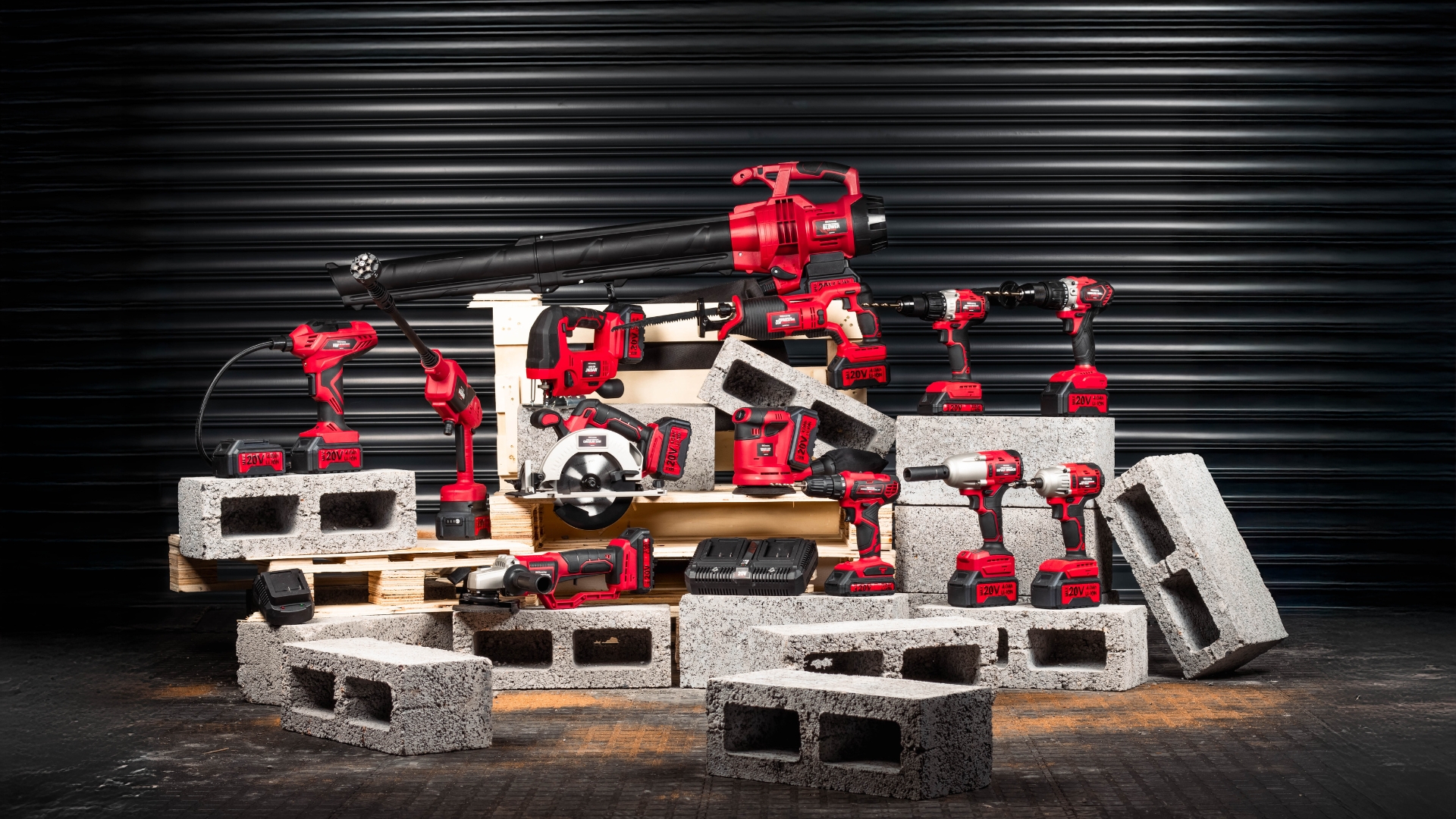
While brushless tools typically cost 20-40% more upfront, they often provide better long-term value for frequent users:
Example Comparison:
Brushed Drill: R800 initial cost + R150 brush replacement every 18 months = R950 over 3 years
Brushless Drill: R1,100 initial cost + minimal maintenance = R1,100 over 3 years
*Prices are illustrative examples only
For professionals using tools daily, the extended runtime and reduced downtime of brushless tools can pay for the price difference within the first year. For occasional users, the lower upfront cost of brushed tools may make more financial sense.
Total Cost of Ownership Factors:
- Replacement Parts: Brushed tools require periodic brush replacement; brushless tools rarely need motor-related parts
- Battery Replacement: Better efficiency means brushless tools put fewer charge cycles on your batteries, extending battery lifespan
- Productivity: For professionals, longer runtime means fewer battery swaps and less downtime
- Resale Value: Brushless tools typically retain higher resale value due to their longer lifespan and desirability
Battery Platform Compatibility
An important consideration when choosing between brushed and brushless tools is battery compatibility. Many of our tool ranges, including MAC AFRIC and Kinway, use compatible battery platforms across both brushed and brushless tools. This means you can start with brushed tools and gradually upgrade to brushless versions while continuing to use the same batteries and chargers—maximizing your investment flexibility.
Temperature Performance and Working Conditions
Different motor types respond differently to various working environments:
Heat Management:
Brushless motors excel in hot conditions or during extended use. Because they generate less internal heat, they're less likely to overheat and trigger thermal protection shutdowns. This makes them ideal for hot weather job sites or continuous operation scenarios.
Brushed motors generate more heat through friction, which can limit continuous runtime in demanding applications. However, for short-duration tasks, this rarely becomes an issue.
Cold Weather Performance:
Both motor types can work in cold conditions, but brushless motors have a slight advantage. The electronic controller can compensate for reduced battery performance in cold weather, maintaining more consistent power delivery. Brushed motors may experience slightly reduced performance as battery output decreases in the cold.
Dusty and Dirty Environments:
Brushed motors are more susceptible to dust and debris contamination, which can accelerate brush wear and cause sparking issues. Brushless motors, with their sealed construction and no sparking, handle dusty environments better and require less frequent cleaning.
Smart Features and Technology Integration
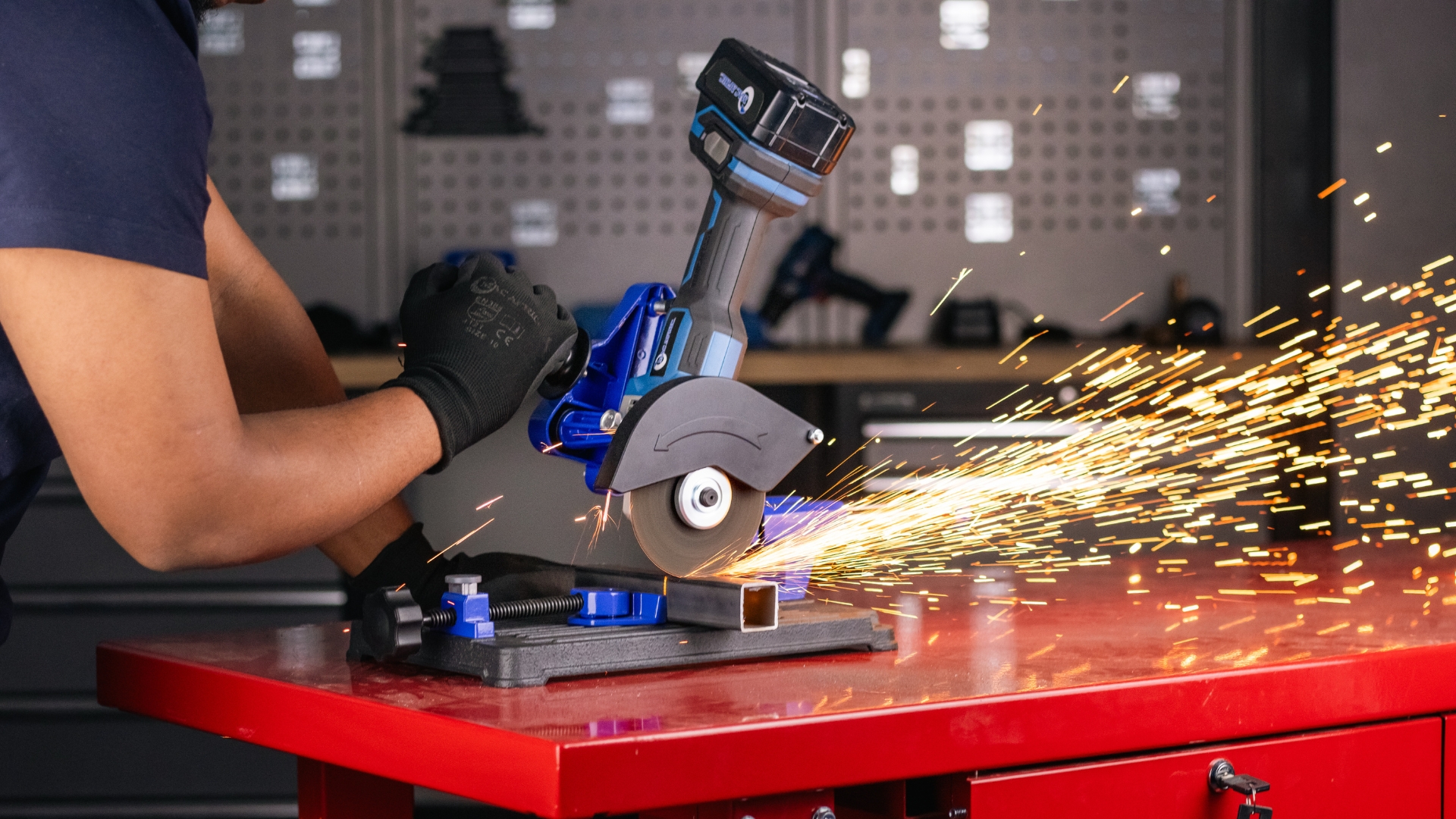
Modern brushless tools often include advanced features that would be impossible or impractical with brushed motors:
Electronic Features in Brushless Tools:
- Automatic Mode Selection: The controller detects load and adjusts power delivery for optimal performance
- Overload Protection: Intelligent monitoring prevents motor damage from excessive loads
- Battery Management: Optimized power draw extends battery life and prevents over-discharge
- Bluetooth Connectivity: Some high-end models offer smartphone apps for diagnostics, tracking, and customization
- LED Indicators: Detailed battery and performance feedback
- Electronic Brake: Faster, more precise stopping when you release the trigger
Noise Levels: A Practical Consideration
If you work in noise-sensitive environments or simply prefer quieter tools, the difference is notable:
Brushed Motors: Produce a characteristic high-pitched whine from brush friction and commutator sparking. Typical noise levels range from 85-95 decibels during operation.
Brushless Motors: Run significantly quieter due to the absence of friction and sparking. Typical noise levels range from 75-85 decibels, with the primary noise coming from gears and the workpiece rather than the motor itself.
This 10-decibel difference represents roughly a 50% reduction in perceived loudness—a meaningful improvement for all-day use or residential neighborhoods.
Building a Mixed Tool Collection
You don't have to choose one type exclusively. Many users build strategic collections that leverage the strengths of both motor types:
Strategic Approach:
- Core Tools (Brushless): Invest in brushless for your most-used tools—drill/driver, impact driver, and circular saw
- Specialized Tools (Brushed): Choose brushed for tools you use occasionally—oscillating multi-tool, jigsaw, or specialty fastening tools
- Light-Duty (Brushed): Brushed tools work great for inflators, work lights, and other low-power accessories
- High-Demand (Brushless): Always choose brushless for angle grinders, reciprocating saws, and other power-intensive tools
This mixed approach optimizes your budget while ensuring you have the right tool performance where it matters most.
Maintenance and Serviceability
Maintaining Brushed Tools:
- Inspect brushes every 50-100 hours of use
- Replace brushes when they reach about 6mm in length
- Clean commutator surface periodically to prevent buildup
- Check for excessive sparking, which indicates worn brushes
- Brush replacement typically takes 10-15 minutes with basic tools
Maintaining Brushless Tools:
- Keep cooling vents clean and debris-free
- Periodically lubricate gears and mechanical components
- Protect electronic controller from moisture and impacts
- Update firmware if manufacturer releases updates (on smart-enabled models)
- No motor-specific maintenance required
Battery Care for Both Types:
- Store batteries at 40-60% charge for long-term storage
- Avoid completely draining batteries before recharging
- Keep batteries at moderate temperatures (avoid freezing or excessive heat)
- Clean battery contacts regularly
- Note: Brushless tools are gentler on batteries due to more efficient power draw
Signs It's Time to Upgrade from Brushed to Brushless
Consider upgrading your brushed tools to brushless if you notice:
- You're replacing brushes more than twice a year on a single tool
- You frequently need to swap batteries mid-project
- Your tools are getting noticeably hot during use
- You experience power fade under load
- You're taking on larger or more frequent projects
- Weight and fatigue are becoming issues during extended use
- You need quieter operation for residential work
Future Trends: Where Power Tool Technology is Heading
The power tool industry continues to evolve:
- Improved Battery Technology: Lithium-ion advances will benefit both motor types, but brushless tools will maximize these gains through better efficiency
- AI-Powered Tools: Future brushless tools may include machine learning algorithms that optimize performance based on usage patterns
- Increased Connectivity: Tool tracking, maintenance scheduling, and fleet management via smartphone apps
- Hybrid Approaches: Some manufacturers are experimenting with brushed motors that incorporate electronic controllers for improved performance
- Sustainability Focus: Both motor types are seeing improvements in recyclability and use of sustainable materials
Which One Should You Choose?
Brushed power tools are ideal for users who prefer tools that allow for easy owner maintenance, including the ability to replace worn brushes. They're also often more budget-friendly.
Brushless power tools, on the other hand, are designed for users who prioritise minimal downtime and a longer overall lifespan. Their efficiency and durability make them well-suited for both light and demanding applications.
At Adendorff Machinery Mart, we offer both brushed and brushless tools across multiple ranges, including our popular MAC AFRIC and Kinway brands. Your ideal choice depends on how often you use your tools and your preference for maintenance versus performance.
Frequently Asked Questions – Brushed vs Brushless Tools
Can I upgrade a brushed tool to brushless?
No, the motor type is integral to the tool's design. However, batteries and chargers are often compatible across both types within the same brand family.
Do brushless tools work with older batteries?
Generally yes, if they're from the same voltage platform. Always check compatibility with your specific brand and model.
How long do brushes typically last?
Depending on usage intensity, brushes typically last 1,000–3,000 hours, or about 1–3 years for average DIY users.
Are brushless tools waterproof?
While more resistant to dust and moisture than brushed tools, most are water-resistant rather than waterproof. Check the manufacturer's specifications for details.
Will brushed tools disappear from the market?
No, not in the foreseeable future. Brushed tools remain relevant for budget-conscious users and occasional applications.
Can I hear the difference between motor types?
Yes. Brushed motors produce a high-pitched whine and are noticeably louder, while brushless motors operate with a quieter hum.
How do I choose the right tool?
Visit your nearest Adendorff Machinery Mart store or browse our full range of power tools online. Our knowledgeable staff can help you select the perfect tool for your needs and budget.
Where can I get expert advice?
Contact us or visit any of our branches nationwide for personalized recommendations based on your project needs. Explore more here.
Where can I shop for brushed and brushless tools?
Explore our full range of MAC AFRIC and Kinway power tools online, available in both brushed and brushless versions. Click here to learn more about Kinway.
Which is better: brushed or brushless?
Both have their advantages. Brushless tools offer better efficiency and lifespan, while brushed tools are affordable and sufficient for occasional use. Match the tool to your usage needs, frequency, and budget for best results.