
Guide to Affordable Lathes for Small Workshops in South Africa
Listen to a podcast about this article
Our Guide to Affordable Bench Lathes for Small Workshops in South Africa
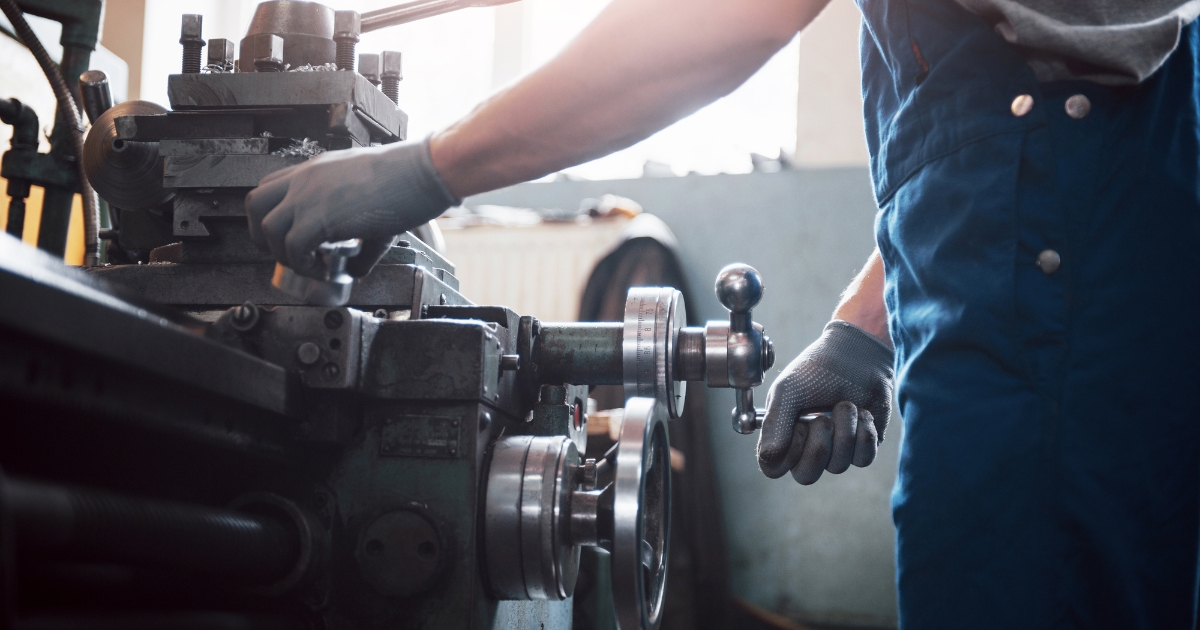
Are you setting up a small workshop or looking to expand your machining capabilities? Most guys shopping in this price bracket run into the same problem: local suppliers don't always stock what's in the catalogues, lead times stretch longer than promised, and by the time you've factored in import duties and shipping, that "budget" lathe isn't so budget anymore.
This guide cuts through that noise. We've compared four bench lathes that are actually available locally, looking at what they can realistically do, where they fall short, and which type of operator each one suits best. Whether you're turning your first piece of mild steel in a home workshop or need something that can handle a consistent workload without constant babysitting, there's a practical option in this range for you.
What You'll Learn in This Guide
Which Affordable Lathe Is Right for Your Workshop?
The South African market offers several excellent options for small workshops operating on a budget. The four models we'll examine represent different points on the spectrum of size, power, and capability, all while remaining accessible to hobbyists and small businesses.
MAC AFRIC BL180 Mini Bench Lathe
Key Strengths:
- Ultra-compact and lightweight design
- Variable speed DC motor (200-2500 RPM)
- Perfect for small precision work
- Lower power consumption (0.4 kW)
- Ideal for learning lathe basics
Considerations: Limited to 180 mm swing and 310 mm between centers - best suited for small parts
MAC AFRIC 520 MM Belt Driven Bench Lathe
Key Strengths:
- Compact footprint (135 kg)
- Lower initial investment
- Wide spindle speed range (140-1800 RPM)
- Belt-driven for smooth operation
- 520 mm between centres
Considerations: Smaller swing over bed (210 mm) limits maximum workpiece diameter
MAC AFRIC 500 MM Geared Head Bench Lathe
Key Strengths:
- Full gear transmission for stability
- Excellent swing over bed (250 mm)
- 12-step spindle speed control
- Longitudinal and cross auto-feed
- Higher power output (750 W)
Considerations: Heavier at 180 kg, requires stable mounting
MAC AFRIC 550 MM Professional Bench Lathe
Key Strengths:
- Largest swing over bed (330 mm)
- Highest power (1.1 kW / 1.5 HP)
- 17 spindle speeds (60-1650 RPM)
- 37 thread sizes (metric & imperial)
- 38 mm spindle bore for larger work
Considerations: Heaviest option (380 kg), requires dedicated space and substantial bench
How to Choose Your First Bench Lathe
What Questions Should You Ask Before Buying a Lathe?
Selecting your first lathe involves evaluating several critical factors that will impact your workshop's capabilities for years to come. Here's a systematic approach to making the right choice:
1. What Size Workpieces Will You Machine?
The single most important specification is the swing over bed, which determines the maximum diameter of workpiece you can rotate. Calculate the largest diameter you'll need to work with and add at least 20% margin for future projects.
Real-World Example:
If you're a model engineer making small steam engine components (typically 50-100 mm diameter), the BL180 Mini Lathe provides perfect capacity. For automotive parts like brake drums (typically 200-280 mm diameter), the ELATHE250 with its 250 mm swing over bed would be marginal, while the ELATHE613's 330 mm swing provides comfortable clearance.
2. How Much Workshop Space Do You Have?
Bench lathes require more space than their footprint suggests. You need room for:
- The lathe itself plus mounting overhang
- Operator movement (minimum 1.2 meters in front)
- Tool storage and material handling on sides
- Chip collection area beneath
As a rule of thumb, allocate 2.5-3 times the lathe's length in workshop floor space. The BL180 Mini Lathe is exceptional for workshops where space is at an absolute premium.
3. What Materials Will You Work With?
Different materials place different demands on your lathe:
Aluminum & Brass
Soft metals require higher spindle speeds (1000+ RPM) for good surface finish. All four models handle these well, with the BL180 excelling at very small diameter work.
Mild Steel
Medium speeds (300-800 RPM) and adequate power. The ELATHE250 and ELATHE613's higher power outputs excel here. The BL180 handles small diameter mild steel adequately.
Stainless Steel
Requires low speeds (80-200 RPM) and maximum rigidity. The ELATHE613's geared head transmission and weight provide best results. Not recommended for the BL180.
Plastics & Wood
High speeds (1200+ RPM) needed. The BL180's maximum 2500 RPM and ELATHE520's 1800 RPM are ideal for these materials.
4. What's Your Power Supply Situation?
All four models operate on standard 230V single-phase power, making them suitable for most small workshops in South Africa. However, consider:
- Circuit breaker capacity (20A recommended minimum)
- Power quality in your area (frequent voltage drops affect performance)
- Distance from distribution board (longer runs may require heavier cable)
5. Do You Need Thread Cutting Capability?
All four lathes can cut threads, but their capabilities vary significantly:
| Model | Metric Threads | Imperial Threads | Thread Sizes |
|---|---|---|---|
| BL180 Mini | 0.4 - 2 mm pitch (10 sizes) | 12 - 48 TPI (10 sizes) | Good basic coverage |
| ELATHE520 | 1.04 - 3 mm pitch | 17.8" - 48" TPI | Limited range |
| ELATHE250 | 0.25 - 2.5 mm pitch | 4 - 60 TPI | Good versatility |
| ELATHE613 | 0.4 - 4 mm (17 sizes) | 0.035" - 15.79" (20 sizes) | Professional range |
What Is the Best Budget Range for a Quality Bench Lathe?
In the South African market, affordable bench lathes typically fall into four price brackets:
Micro-Lathe Bracket
Perfect for model engineers, jewelry makers, and those learning lathe basics. The BL180 Mini Lathe represents the most affordable entry point into metal turning, offering surprising capability in an ultra-compact package.
Entry-Level Bracket
Suitable for hobbyists and occasional use. These machines offer basic functionality with limited capacity. The ELATHE520 represents excellent value in this category, providing features often found in more expensive models.
Mid-Range Bracket
The sweet spot for small workshops and serious hobbyists. The ELATHE250 occupies this space, offering professional features like full gear transmission and auto-feed at an accessible price point.
Professional Entry Bracket
For small businesses and workshops handling production work. The ELATHE613 delivers capabilities approaching industrial machines while remaining affordable compared to full-sized lathes .
Investment Perspective:
Rather than focusing solely on upfront cost, calculate cost per year of expected use. A machine that lasts 15 years with minimal maintenance offers better value than one requiring replacement after 5 years, even if the initial price is 30% higher.
Detailed Model Comparison: MAC AFRIC ELATHE Series
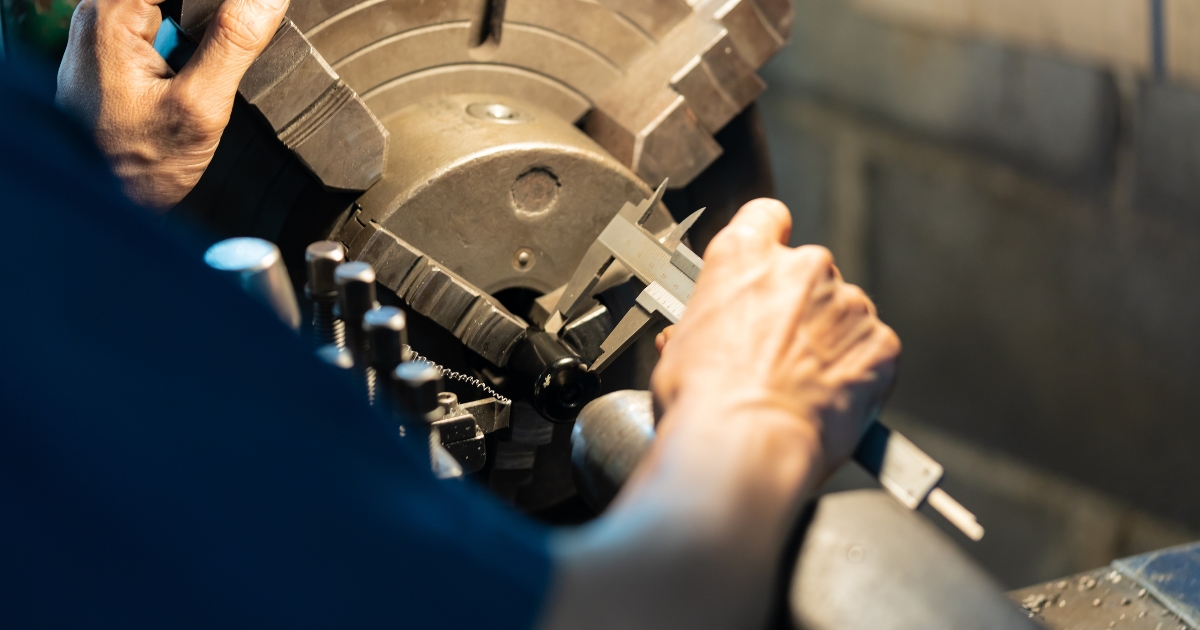
BL180 Mini Lathe: The Ultra-Compact Option
Who Should Choose the BL180 Mini Lathe?
This compact mini lathe is purpose-built for applications where space is at an absolute premium and workpiece size is limited to small precision components:
- Model engineers building miniature engines and mechanical models
- Jewelry makers requiring precision metal turning capabilities
- Hobbyists in apartments or shared living spaces with minimal room
- Beginners learning lathe operation without major investment
- Prototype developers working exclusively with small components
- Watch and clock makers needing precision small-part capability
What Makes the Variable Speed DC Motor Special?
The BL180's variable speed DC motor provides advantages particularly suited to small-scale work:
- Infinite speed adjustment within two ranges without mechanical changes
- High-speed range (460-2500 RPM) perfect for small diameter finishing
- Low-speed range (200-1150 RPM) for threading and general turning
- Electronic speed control provides consistent RPM under varying loads
- Quieter operation than traditional belt-drive systems
- Immediate speed changes without stopping the machine
What Projects Excel on the BL180 Mini Lathe?
Model Engineering
Scale steam engines, miniature mechanisms, and precision small components up to 180 mm diameter. Ideal for parts under 100 mm diameter.
Jewelry & Watchmaking
Custom rings, bezels, watch parts, and precision jewelry components. High speed range delivers excellent surface finish on precious metals.
Electronic Projects
Custom connectors, threaded adapters, and precision machined electronics housings. Perfect for robotics and electronics enthusiasts.
Learning Platform
Compact size and lower power make it ideal for learning lathe fundamentals before investing in larger machinery.
Complete Technical Specifications: BL180 Mini Lathe
| Specification | Value | Practical Implication |
|---|---|---|
| Power Output | 0.4 kW (1/2 HP) | Adequate for aluminum, brass, and small diameter mild steel |
| Voltage | 230 V Single Phase / 50-60 Hz | Standard South African household power |
| Motor Speed | 4500 RPM | High motor speed enables wide working speed range via belts |
| Power Transfer | V-Belt | Smooth operation with mechanical overload protection |
| Bearings | Shielded and Lubricated | Reduced maintenance requirements |
| Max. Swing Over Bed | 180 mm | Can machine parts up to 180 mm diameter |
| Max. Swing Over Cross Slide | 105 mm | Working diameter with tool post in position |
| Distance Between Centres | 310 mm | Maximum length of workpiece between chuck and tailstock |
| Width of Bed | 180 mm | Compact bed width for space-constrained setups |
| Spindle Bore | 20 mm | Can pass bar stock up to 20 mm diameter through spindle |
| Spindle Taper | MT#3 | Standard Morse Taper for centers and tooling |
| Spindle Speed Range | 200-1150 RPM (Low), 460-2500 RPM (High) | Variable speed within two ranges covers most small work needs |
| Tailstock Quill Travel | 40 mm | Adequate for drilling and center support on small parts |
| Tailstock Taper | MT#2 | Standard taper for drill chucks and centers |
| Metric Threads | 0.4 - 2 mm (10 sizes) | Covers M3 through M16 standard fasteners |
| Imperial Threads | 12 - 48 TPI (10 sizes) | Good coverage of common imperial thread standards |
Weight and Portability Advantage:
The BL180's compact size and lighter weight make it the only lathe in this range that can be reasonably moved by one person. This is valuable for workshops where the lathe must be stored when not in use, or for those who may relocate frequently.
ELATHE520: The Compact Precision Option
Who Should Choose the ELATHE520?
This belt-driven bench lathe excels in scenarios where space and initial investment are primary concerns, without sacrificing fundamental capabilities:
- Home hobbyists with limited workshop space
- Model engineers working with small precision components
- Jewelry makers and watchmakers needing fine control
- Educational institutions introducing students to lathe operation
- Prototype developers working with small parts
What Are the Technical Advantages of Belt Drive?
The ELATHE520's belt-driven configuration offers several benefits that shouldn't be overlooked:
- Smoother operation with reduced vibration transfer from motor to spindle
- Quieter operation compared to gear-driven alternatives
- Belt acts as mechanical fuse, protecting motor and components from damage during stalls
- Lower maintenance requirements (no gear oil changes)
- Better surface finishes on small diameter workpieces due to reduced vibration
What Projects Excel on the ELATHE520?
Small Shaft Work
Parts under 210 mm diameter and 520 mm length. Perfect for custom fasteners, model steam engine components, and precision instruments.
High-Speed Materials
With a maximum 1800 RPM, excels at plastics, aluminum, and brass work requiring excellent surface finish.
Educational Projects
Lighter weight (135 kg) makes it more practical for educational environments where machines may be relocated.
Prototype Development
Quick speed changes and smooth operation ideal for iterative design processes.
Complete Technical Specifications: ELATHE520
| Specification | Value | Practical Implication |
|---|---|---|
| Power Output | 550 W | Adequate for aluminum, brass, mild steel up to 50mm diameter |
| Voltage | 230 V / 50 Hz | Standard South African single-phase power |
| Max. Swing Over Bed | 210 mm | Can machine parts up to 210 mm diameter |
| Max. Swing Over Cross Slide | 70 mm | Limits tool positioning on larger diameter work |
| Max. Swing Over Gap | 122 mm | Allows facing operations on larger diameter flanges |
| Distance Between Centres | 520 mm | Maximum length of workpiece between chuck and tailstock |
| Spindle Bore | 20 mm | Can pass bar stock up to 20 mm diameter through spindle |
| Spindle Taper | MT#3 | Standard Morse Taper for centers and tooling |
| Spindle Speed Range | 140 - 1800 RPM | Wide range suitable for most materials and diameters |
| Tailstock Quill Travel | 50 mm | Drilling depth and center support adjustment range |
| Tailstock Taper | MT#2 | Smaller taper for drill chucks and centers |
| Tool Post Rotation | ±45° | Allows taper turning and angled operations |
| Tool Slide Travel | 60 mm | Maximum depth of cut perpendicular to spindle axis |
| Gross Weight | 135 kg | Requires sturdy bench but manageable for small workshops |
ELATHE250: The Balanced Performer
Why Is the ELATHE250 Called the "Goldilocks" Machine?
The ELATHE250 occupies that crucial middle ground where size, power, features, and price align to create maximum value. It's not the cheapest, not the most powerful, but for many workshops, it's exactly right.
Who Benefits Most from the ELATHE250?
- Small fabrication shops handling varied work
- Automotive restoration workshops making custom parts
- Agricultural equipment maintenance requiring shaft and bushing work
- Serious hobbyists planning long-term workshop growth
- Light manufacturing producing small batches
What Makes Gear Transmission Superior for Some Applications?
The ELATHE250's full gear transmission system provides advantages that become crucial as work becomes more demanding:
- Superior rigidity eliminates chatter during heavy cuts
- Maintains constant torque across entire speed range
- No belt slippage under load ensures consistent cutting conditions
- More positive engagement of feed mechanisms
- Better suited to interrupted cuts and rough stock
- Longer service life under continuous use
Understanding Auto-Feed: Why It Matters
The ELATHE250's longitudinal and cross auto-feed capabilities represent a significant step up in functionality:
Manual Feed vs. Auto-Feed:
Manual feeding requires the operator to continuously turn handwheels, making consistent finishes difficult and leading to operator fatigue on long cuts.
Auto-feed mechanically advances the tool at a constant rate, producing superior surface finish, allowing hands-free operation for long cuts, and enabling the operator to monitor the process rather than focus on feeding.
Complete Technical Specifications: ELATHE250
| Specification | Value | Practical Implication |
|---|---|---|
| Power Output | 750 W | 36% more power than ELATHE520; handles larger diameter steel |
| Voltage | 230 V / 50 Hz | Standard South African single-phase power |
| Max. Swing Over Bed | 250 mm | 19% larger than ELATHE520; significant capacity increase |
| Max. Swing Over Cross Slide | 150 mm | More than double ELATHE520; much better tool clearance |
| Distance Between Centres | 500 mm | Slightly shorter than ELATHE520 but adequate for most work |
| Bed Width | 115 mm | Wider bed provides better rigidity and stability |
| Spindle Bore Taper | MT#3 | Standard Morse Taper matching ELATHE520 |
| Spindle Speed Range | 80 - 1600 RPM (12 steps) | Lower minimum speed better for large diameter steel work |
| Number of Speed Steps | 12 | More precise speed selection than continuously variable systems |
| Tailstock Quill Travel | 60 mm | 10 mm more than ELATHE520; deeper drilling capability |
| Tailstock Taper | MT#3 | Larger taper than ELATHE520; more rigid for heavy work |
| Metric Thread Range | 0.25 - 2.5 mm pitch | Covers all common metric fasteners from M3 to M20 |
| Imperial Thread Range | 4 - 60 TPI | Complete coverage of unified thread standards |
| Longitudinal Feed Range | 0.0527 - 1.2912 mm/rev | Auto-feed for turning operations; reduces operator fatigue |
| Cross Feed Range | 0.011 - 0.276 mm/rev | Auto-feed for facing operations |
| Tool Slide Travel | 75 mm | 25% more than ELATHE520; enables deeper facing cuts |
| Gross Weight | 180 kg | 33% heavier than ELATHE520; provides better vibration damping |
ELATHE613: The Professional Solution
When Does Workshop Work Demand the ELATHE613?
The ELATHE613 represents a significant step up in capability, approaching the performance envelope of entry-level industrial machines while maintaining bench-top practicality:
- Production environments running multiple shifts
- Contract machine shops taking on diverse customer work
- Maintenance workshops for mining or industrial facilities
- Advanced technical training centers teaching professional skills
- Custom manufacturing businesses requiring maximum versatility
What Justifies the ELATHE613's Higher Investment?
Beyond the obvious capacity advantages, the ELATHE613 delivers professional-grade features:
Superior Spindle Bore
38 mm bore (90% larger than ELATHE520) allows bar feeding for production runs and accommodates larger through-bore work.
17 Spindle Speeds
Precise speed selection optimizes tool life and surface finish for every material and diameter combination.
Extended Thread Capability
37 total thread sizes cover virtually any threading requirement, including specialty pitches for repair work.
Massive Capacity
330 mm swing over bed handles work impossible on smaller machines, opening new business opportunities.
Complete Technical Specifications: ELATHE613
| Specification | Value | Practical Implication |
|---|---|---|
| Power Output | 1.1 kW (1.5 HP) | 47% more power than ELATHE250; handles heavy cuts in steel |
| Voltage | 230 V / 50 Hz | Still single-phase despite higher power; workshop-friendly |
| Max. Swing Over Bed | 330 mm | 32% larger than ELATHE250; approaches small floor lathe capacity |
| Max. Swing Over Cross Slide | 500 mm | Exception capacity for facing operations and large diameter work |
| Spindle Bore | 38 mm | Nearly double ELATHE520; enables bar feeding and collet work |
| Spindle Speed Range | 60 - 1650 RPM (17 speeds) | Lowest minimum speed ideal for large diameter steel and stainless |
| Number of Speed Steps | 17 | 42% more speeds than ELATHE250; optimal speed always available |
| Tailstock Quill Travel | 70 mm | 17% more than ELATHE250; accommodates longer drill bits |
| Metric Thread Sizes | 0.4 - 4 mm (17 sizes) | Comprehensive metric coverage including coarse and fine pitches |
| Imperial Thread Sizes | 0.035" - 15.79" (20 sizes) | Complete imperial range including specialty threads |
| Total Thread Options | 37 sizes | Handles virtually any thread cutting requirement |
| Longitudinal Feed Range | 0.135 - 1.80 mm/rev | Coarser maximum feed enables faster stock removal |
| Gross Weight | 380 kg | More than double ELATHE250; exceptional rigidity and stability |
Important Installation Consideration:
The ELATHE613's 380 kg weight requires a reinforced bench capable of supporting at least 500 kg. Standard workbenches are inadequate. Plan for a dedicated steel frame bench or concrete plinth anchored to the floor.
Understanding Technical Specifications: What Do They Really Mean?
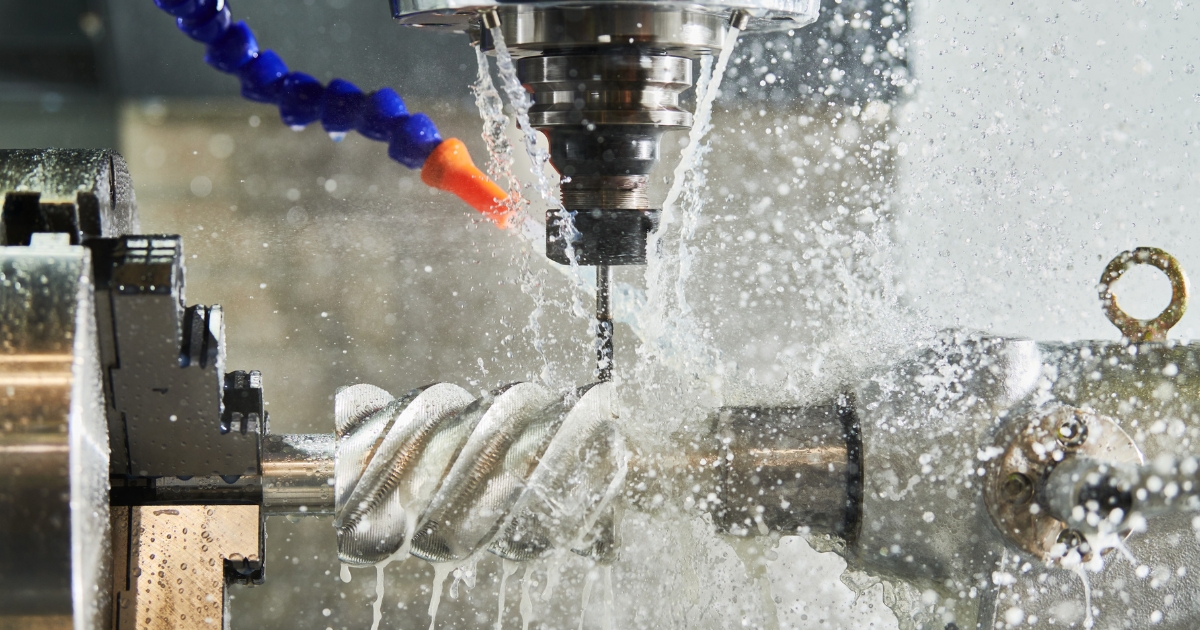
What Does "Swing Over Bed" Actually Mean?
This is perhaps the most misunderstood lathe specification, yet it's absolutely critical to machine selection.
Technical Definition
Swing over bed is the maximum diameter of workpiece that can rotate over the lathe ways (bed) without hitting anything. It's measured as the diameter, not radius, and represents the absolute maximum capacity.
Practical Reality
While swing over bed defines maximum capacity, several factors reduce practical working diameter:
- Tool post height: Subtracts 40-60 mm from usable diameter
- Chuck jaws: Extended jaws reduce clearance
- Cutting tool overhang: Tools projecting beyond the tool post reduce clearance
- Safety margin: Operating at absolute maximum invites crashes and damage
Practical Rule:
Your comfortable working diameter is typically 70-80% of the stated swing over bed. For the BL180's 180 mm specification, expect to comfortably work with parts up to 125-145 mm diameter. For the ELATHE250's 250 mm specification, expect to comfortably work with parts up to 175-200 mm diameter.
What Is "Swing Over Cross Slide" and Why Does It Matter?
This specification, often overlooked by beginners, critically affects your ability to machine larger diameter work.
The Issue Explained
When the cross slide (the part that moves the tool perpendicular to the spindle) is positioned for cutting, it reduces the available clearance between tool and spindle centerline. This is your real working diameter limit when using the cross slide for facing or form turning.
Comparative Analysis
| Model | Swing Over Bed | Swing Over Cross Slide | Restriction |
|---|---|---|---|
| BL180 Mini | 180 mm | 105 mm | 42% reduction |
| ELATHE520 | 210 mm | 70 mm | 67% reduction |
| ELATHE250 | 250 mm | 150 mm | 40% reduction |
| ELATHE613 | 330 mm | 500 mm | No restriction (exceeds bed swing) |
The ELATHE250's superior swing over cross slide ratio makes it far more practical for varied work than the raw swing over bed numbers might suggest.
Why Does Spindle Speed Range Matter More Than You Think?
The Cutting Speed Formula
Optimal surface speed (measured in meters per minute) depends on workpiece material and cutting tool. Since the workpiece diameter varies, you need different spindle RPMs to maintain correct cutting speed.
The Math Behind Spindle Speed:
RPM = (Cutting Speed × 1000) / (π × Diameter)
For example, mild steel with HSS tooling requires approximately 25 m/min cutting speed. Machining 25 mm diameter stock requires 318 RPM, while 150 mm diameter needs 53 RPM.
Why Low Speed Matters
Large diameter work requires very low spindle speeds. The ELATHE613's 60 RPM minimum allows proper cutting speeds on work up to 130 mm diameter in steel. The ELATHE520's 140 RPM minimum limits steel work to about 60 mm diameter at correct cutting speeds. The BL180's 200 RPM minimum is appropriate for its smaller capacity.
Why High Speed Matters
Small diameter work and soft materials need high speeds. The BL180's exceptional 2500 RPM maximum and ELATHE520's 1800 RPM excel for:
- Aluminum under 15 mm diameter
- Brass and bronze finishing cuts
- Plastic and nylon machining
- Small diameter drilling operations
Number of Speed Steps: Discrete vs. Variable
More speed steps provide finer control over cutting conditions:
| Model | Speed Steps | Average Step Ratio | Advantage |
|---|---|---|---|
| BL180 Mini | Variable in 2 ranges | Infinite | Perfect speed always available within each range |
| ELATHE613 | 17 | ~1.19:1 | Near-optimal speed always available |
| ELATHE250 | 12 | ~1.26:1 | Good coverage for most work |
| ELATHE520 | Variable (belt) | Continuous | Any speed within range |
Thread Cutting Capabilities: What Can You Actually Make?
Understanding Thread Pitch
Threads are specified in two ways:
- Metric: Pitch in millimeters (distance between threads)
- Imperial: Threads per inch (TPI)
What Thread Range Do You Need?
Common fastener threads in South Africa:
| Fastener Size | Standard Pitch | Fine Pitch | Coverage |
|---|---|---|---|
| M3 | 0.5 mm | - | BL180, ELATHE250 |
| M6 | 1.0 mm | 0.75 mm | All four models |
| M8 | 1.25 mm | 1.0 mm | All four models |
| M10 | 1.5 mm | 1.25 mm | All four models |
| M12 | 1.75 mm | 1.5 mm | All four models |
| M16 | 2.0 mm | 1.5 mm | All four models |
| M20 | 2.5 mm | 2.0 mm | ELATHE250 & 613 |
| M24 | 3.0 mm | 2.0 mm | ELATHE520 & 613 |
Special Thread Capabilities
The ELATHE613's extended range covers specialty applications:
- ACME threads for leadscrews (commonly 4-6 TPI)
- Pipe threads (NPT, BSP) require 11-19 TPI
- Automotive drain plugs (often M14×1.5 or M18×1.5)
- Camera mounts and optical equipment (unique pitches)
- Restoration work matching obsolete thread forms
Power Output and Workshop Electrical Requirements
How Much Power Do You Really Need?
Lathe power determines material removal rate and maximum cutting force. Here's what different power levels mean in practice:
400 W (BL180 Mini)
Perfect for small diameter work in aluminum, brass, and plastics. Light cuts in mild steel up to 25 mm diameter. Ideal for model engineering and jewelry work.
550 W (ELATHE520)
Adequate for aluminum, brass, and mild steel up to 40 mm diameter with light to moderate cuts. Perfect for precision work where rigidity matters more than power.
750 W (ELATHE250)
Comfortable steel machining up to 75 mm diameter. Handles most small workshop tasks including automotive repair and fabrication work.
1.1 kW (ELATHE613)
Production-capable power for continuous machining. Takes heavy cuts in steel up to 150 mm diameter. Maintains performance under sustained load.
Electrical Installation Considerations for South Africa
All four lathes operate on 230V single-phase, but installation requirements differ:
| Requirement | BL180 Mini | ELATHE520 | ELATHE250 | ELATHE613 |
|---|---|---|---|---|
| Maximum Current Draw | ~2.5 A | ~3.5 A | ~4.5 A | ~6.5 A |
| Recommended Circuit Breaker | 10 A | 16 A | 16 A | 20 A |
| Minimum Cable Size | 1.5 mm² | 2.5 mm² | 2.5 mm² | 4 mm² |
| Earthing Required | Yes | Yes | Yes | Yes (Critical) |
South African Electrical Code Compliance:
All installations must comply with SANS 10142-1. This means dedicated circuits for machinery, proper earthing to prevent shock hazards, and appropriate overcurrent protection. Have a qualified electrician assess your workshop supply, especially if multiple machines will operate simultaneously.
Dealing with Voltage Fluctuations
Many South African workshops experience voltage instability. Consider these protections:
- Under-voltage protection: Prevents motor damage when supply drops below 207V
- Surge protection: Essential in areas with frequent lightning strikes
- Voltage stabilizers: Maintain consistent motor speed despite supply fluctuations
Workshop Space Planning: More Than Just Floor Area
How Much Workshop Space Does a Bench Lathe Actually Require?
The lathe's footprint is only the starting point. Effective workshop layout requires planning for operation, material handling, and safety.
Minimum Space Requirements
| Zone | BL180 Mini | ELATHE520 | ELATHE250 | ELATHE613 |
|---|---|---|---|---|
| Machine Footprint | 550 × 350 mm | 750 × 500 mm | 900 × 550 mm | 1200 × 600 mm |
| Operator Space (front) | 1000 mm | 1200 mm | 1400 mm | 1500 mm |
| Material Loading (left) | 600 mm | 800 mm | 1000 mm | 1200 mm |
| Tool Access (right) | 500 mm | 600 mm | 700 mm | 800 mm |
| Total Floor Space | 2.0 × 1.5 m | 2.5 × 1.9 m | 3.3 × 2.2 m | 4.0 × 2.6 m |
Bench Requirements
Your lathe bench is not furniture it's structural support requiring careful design:
BL180 Mini Bench:
- Minimum 300 kg load capacity
- Standard sturdy workbench adequate
- Can be secured with clamps for portability
- Height: 900-950 mm for comfortable operation
ELATHE520 Bench (135 kg):
- Minimum 750 kg load capacity
- Heavy-duty workbench with reinforced legs acceptable
- Secure anchoring to wall or floor recommended
- Height: 900-950 mm for comfortable operation
ELATHE250 Bench (180 kg):
- Minimum 900 kg load capacity
- Steel frame construction required
- Must be anchored to floor with expansion bolts
- Height: 900-950 mm for comfortable operation
- Consider integrated chip tray beneath
ELATHE613 Bench (380 kg):
- Minimum 1500 kg load capacity
- Heavy steel frame or concrete plinth essential
- Must be anchored to reinforced floor
- Height: 900-950 mm for comfortable operation
- Vibration isolation pads recommended
- Integrated coolant collection system advisable
Lighting Requirements
Precision lathe work demands excellent lighting:
- General overhead lighting: Minimum 500 lux across work area
- Task lighting: Adjustable 100W LED work light for spindle area
- Shadow-free illumination from multiple angles
- Color temperature 4000-5000K for accurate visual inspection
What About Chip Control and Workshop Cleanliness?
Metal chips are sharp, hot, and create slip hazards. Effective chip management is essential:
Chip Containment Strategies
- Chip pan: Under machine to catch falling chips
- Splash guards: Prevent chip ejection toward operator
- Magnetic chip collector: For ferrous materials (steel, cast iron)
- Regular removal: Daily cleanup prevents buildup and fire hazard
Features That Punch Above Their Weight
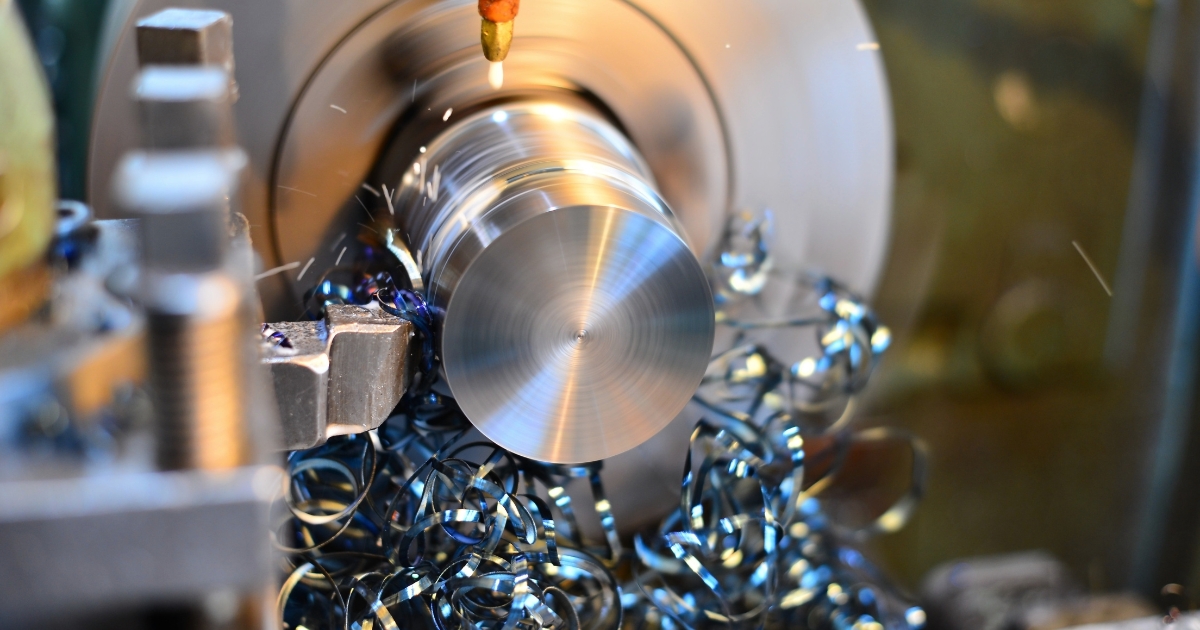
What Makes These lathes Exceptional Value?
Budget equipment often requires compromises, but these MAC AFRIC models include features typically found on machines costing significantly more.
Standard Features Exceeding Expectations
Morse Taper Standardization
All models use standard MT#2 or MT#3 tapers, ensuring access to affordable, readily-available tooling from any supplier worldwide.
Comprehensive Thread Cutting
Even the entry-level BL180 Mini cuts both metric and imperial threads (20 sizes total) without expensive change gears or attachments.
Cast Iron Construction
Heavy cast iron beds (except BL180) provide vibration damping and rigidity that lightweight alternatives cannot match, ensuring accuracy and longevity.
Variable Speed Control
The BL180's electronic variable speed and ELATHE520's belt-drive system offer flexibility without mechanical complexity.
Why Is the BL180's Variable Speed Motor Special?
Electronic speed control on a mini lathe provides advantages that mechanical systems cannot match:
- Instant speed adjustment while machine is running
- No mechanical speed change operations interrupting workflow
- Consistent RPM maintained despite varying cutting loads
- Two-range system provides both precision low speeds and high-speed finishing capability
- Simpler mechanical design means fewer maintenance requirements
Why Is the ELATHE250's Auto-Feed So Important?
Manual feed lathes require constant attention and produce inconsistent results. Auto-feed transforms capability:
- Produces mirror-finish surfaces impossible to achieve manually
- Enables walk-away operation on long turning cuts
- Reduces operator fatigue on production runs
- Ensures dimensional consistency across multiple parts
- Allows fine feed rates (0.05 mm/rev) for finishing passes
Cost-Benefit Analysis:
For workshops doing production work, the ELATHE250's auto-feed can pay for the machine upgrade in time savings alone. A manual feed operation taking 15 minutes per part becomes a 3-minute setup followed by automatic machining.
What Makes the ELATHE613's 38mm Spindle Bore Transformative?
Spindle bore diameter opens possibilities that smaller machines simply cannot address:
Bar Feeding Operations
Pass long stock through spindle for continuous production. Make 50 identical parts from a single 2-meter bar without rechucking. This is the difference between hobbyist and production capability.
Collet Work
38 mm bore accommodates larger collet systems providing superior grip and concentricity compared to scroll chucks. Essential for precision production work.
Through-Bore Machining
Machine internal features on hollow workpieces. Repair tubular components without cutting them apart. This capability alone can justify the investment for repair workshops.
Pre-Purchase Checklist: Ensuring You Make the Right Choice
Questions to Answer Before Purchasing
About Your Work
- What is the largest diameter part I need to machine? (Add 20% margin)
- What is the longest part I need to machine? (Distance between centers)
- What materials will I primarily work with? (Affects power and speed requirements)
- Will I do production runs or one-off custom work? (Affects auto-feed importance)
- Do I need to cut threads regularly? (Thread range coverage)
- Will I work with bar stock? (Spindle bore size matters)
About Your Workshop
- Do I have adequate floor space including operator zones?
- Is my bench or floor capable of supporting the machine weight?
- Is there a dedicated 230V circuit with proper earthing?
- Is lighting sufficient for precision work?
- Can I manage chip removal and cleaning effectively?
- Is there access for delivery and positioning? (380 kg requires equipment)
About Your Budget
- Have I budgeted for necessary tooling? (Chucks, centers, cutting tools)
- Have I budgeted for bench or stand construction?
- Have I considered electrical installation costs?
- Do I have funds for initial consumables? (Cutting oil, abrasives)
- Have I planned for training or instruction materials?
Essential Accessories to Budget For
A bare lathe cannot perform useful work. Budget for these essentials from day one:
Critical Accessories (Cannot operate without these)
| Accessory | Purpose | Typical Cost Impact |
|---|---|---|
| 3-Jaw Chuck | Primary work holding for round stock | 15-25% of machine cost |
| 4-Jaw Chuck | Accurate centering and irregular work | 15-25% of machine cost |
| Live Center | Tailstock support for long work | 3-5% of machine cost |
| Dead Center | Basic tailstock support | 1-2% of machine cost |
| Tool Holder Set | Holds cutting tools at correct height | 5-8% of machine cost |
| Cutting Tools | Carbide or HSS tools for turning | 5-10% of machine cost |
Important Accessories (Significantly enhance capability)
- Drill chuck: Enables drilling operations in tailstock
- Face plate: Holds irregular workpieces
- Steady rest: Supports long, thin work to prevent deflection
- Traveling rest: Supports work near cutting point
- Taper turning attachment: Enables accurate taper production
- Quick change tool post: Speeds tool changes dramatically
Measuring and Quality Control
Precision machining requires precision measurement:
- Digital calipers (0.01 mm resolution minimum)
- Micrometer set (0-25, 25-50, 50-75 mm)
- Dial indicator and magnetic base
- Center gauge for thread checking
- Radius gauges and feeler gauges
Frequently Asked Questions
Can I run a bench lathe in a home garage?
Absolutely. All four models operate on standard 230V household power and are designed for small workshop environments. Ensure adequate ventilation for cutting fluid vapors and provide proper lighting. The BL180 Mini and ELATHE520 are particularly well-suited to home workshops due to their manageable weight and size.
Is the BL180 Mini Lathe too small for serious work?
Not at all - it depends on your definition of "serious work." Model engineers producing intricate steam engines, jewelers creating custom pieces, and prototype developers working with small components all do extremely serious work within the BL180's capacity envelope. The key is matching machine capacity to work requirements, not assuming bigger is always better.
How difficult is it to learn lathe operation?
Basic turning operations can be learned in a few hours with proper instruction. Achieving consistent precision and mastering advanced operations like thread cutting takes practice. Start with aluminum or brass (more forgiving than steel) and work on simple projects like making bushings or shafts. Many excellent online tutorials and community resources are available to South African machinists. The BL180 Mini is an excellent learning platform due to its manageable size and lower intimidation factor.
What maintenance do these lathes require?
Regular maintenance is straightforward: clean chips after each use, oil ways and lead screw weekly (more often with heavy use), check belt tension monthly (belt-driven models), verify and adjust gibs semi-annually, and change gear oil annually (geared models). Budget 30 minutes per week for basic maintenance. Proper care ensures decades of reliable service.
Can I upgrade a lathe later with additional features?
These lathes accept standard accessories, enabling substantial capability expansion. Popular upgrades include: quick-change tool posts, digital readout (DRO) systems for precise positioning, taper turning attachments, milling attachments for light milling operations, and improved lighting systems. However, you cannot upgrade fundamental specifications like swing over bed or between centers distance.
What's the difference between belt drive and gear drive?
Belt drive (BL180, ELATHE520) offers smooth, quiet operation with less vibration, making it ideal for finishing operations and smaller work. Gear drive (ELATHE250, ELATHE613) provides superior power transmission, consistent performance under load, and better torque at all speeds, making it preferable for heavy cuts and production work. Neither is inherently superior the best choice depends on your primary applications.
How much does it cost to set up a complete lathe workstation?
Budget approximately 150-200% of the lathe cost for a complete setup. This includes essential tooling (chucks, centers, cutting tools), measuring instruments, bench or stand construction, electrical work if needed, initial consumables (cutting fluid, abrasives), and safety equipment (face shield, safety glasses). While this seems high, remember these accessories last for years and work with future machines as well.
Can these lathes handle stainless steel?
Yes, but with limitations based on diameter and model. The BL180 is not recommended for stainless steel. The ELATHE520 handles stainless up to about 30 mm diameter. The ELATHE250 manages 60-70 mm with proper tooling and technique. The ELATHE613 comfortably machines stainless up to 120 mm diameter. Stainless steel is more demanding than mild steel use lower speeds, sharp carbide tooling, and plenty of cutting fluid.
What if I buy too small and outgrow the lathe?
This is a common concern, but smaller lathes retain value and usefulness. Many professional shops maintain a small precision lathe alongside larger machines for fine work, small parts, and quick jobs. If you outgrow your initial purchase, it becomes a valuable second machine rather than an obsolete replacement. Start with the lathe that suits 80% of your current needs don't over-invest in capacity you won't use for years.
Are parts and service available in South Africa?
MAC AFRIC equipment is widely supported across South Africa through Adendorff Machinery Mart's dealer network. Replacement parts, wear items, and consumables are readily available. The machines use standard metric components, meaning many parts can be sourced from general bearing and power transmission suppliers if needed. Build quality means parts replacement is infrequent with proper maintenance.
How long does a bench lathe typically last?
With proper maintenance and reasonable use, these cast iron lathes easily provide 20-30 years of service. Many workshops operate machines from the 1980s and 1990s that continue performing accurately. The key factors are: regular lubrication, protecting ways from chip damage, avoiding crashes and overloading, and replacing wear items (belts, bearings) when needed. A well-maintained lathe is a generational tool.
Ready to Transform Your Workshop Capabilities?
Whether you choose the ultra-compact BL180 Mini for model engineering, the versatile ELATHE520 for general hobbyist work, the balanced performance of the ELATHE250, or the professional capacity of the ELATHE613, you're investing in decades of precision machining capability.
Visit your nearest Adendorff Machinery Mart location or browse online to explore these exceptional bench lathes and the comprehensive tooling accessories that complement them.
Where to Buy a Bench Lathe in South Africa: Adendorff Branches & Delivery
Whether you're in Johannesburg, Cape Town, Durban, Pretoria, or anywhere else across South Africa, getting your hands on one of these MAC AFRIC bench lathes is straightforward. Adendorff Machinery Mart operates 29 branches nationwide, with a 30th branch opening soon in Louis Trichardt, and offers nationwide delivery to your door.
Nationwide Delivery
Can't make it to a branch? Adendorff offers nationwide delivery across South Africa. Orders are dispatched from the warehouse distribution centre in Aeroton, Johannesburg every business day. Delivery to main centres typically takes 3–5 business days. You can also use the click-and-collect option to order online and collect at your nearest branch at no extra hassle.
Shop Online or In-Store
Browse the full MAC AFRIC bench lathe range at adendorff.co.za and order online or visit one of the 29 branches below for hands-on advice from knowledgeable staff.
Find Your Nearest Branch
Adendorff Machinery Mart has branches across all major South African cities and provinces. Use the online store locator to get directions and trading hours for the branch nearest to you.
| Branch | Province | Address | Phone |
|---|---|---|---|
| Johannesburg Aeroton (Head Office) | Gauteng | 98 Sailor Malan Ave, Aeroton, Johannesburg | 011 434 7000 |
| Johannesburg Springfield | Gauteng | 152 Rosettenville Road, Springfield Ext 4, Johannesburg | 011 434 7152 |
| Edenvale | Gauteng | Unit 8, Route 24, Herman Road, Edenvale | 011 454 1407 |
| Randburg (Strydompark) | Gauteng | 2013 Malibongwe Dr, Strydompark, Randburg | — |
| Roodepoort / Krugersdorp | Gauteng | 17 Carol Road, Mindalore, Krugersdorp | 011 664 8336 |
| Boksburg | Gauteng | 518 Commissioner Street, Boksburg East Industrial | 011 914 1550 |
| Springs | Gauteng | 13 Bell St, New Era, Springs | 010 442 6969 |
| Pretoria (Gezina) | Gauteng | Cnr Steve Biko & Adcock Street, Gezina, Pretoria | 012 329 9576 |
| Pretoria East (Silver Lakes) | Gauteng | Silver Oaks Crossing, Cnr Solomon Mahlangu & Von Backstrom Blvd, Pretoria East | 012 054 5969 |
| Centurion | Gauteng | Shop 33, Miracle Retail Park, 49 Old Johannesburg Road, Rooihuiskraal North | 012 653 0586 |
| Vereeniging | Gauteng | 26 De Villiers Avenue, Vereeniging | 016 422 6057 |
| Cape Town (Montague Gardens) | Western Cape | Unit 1, 21 Montague Drive, Montague Gardens, Cape Town | 021 552 7389 |
| Cape Town (Brackenfell) | Western Cape | 2 Orion Road, Brackenfell South, Cape Town | 021 205 7888 |
| Strand | Western Cape | 30 Mynhardt St, Gants Plaza, Strand | 021 205 7878 |
| George | Western Cape | 6 Ring St, George Industria, George | 044 050 3610 |
| Durban (Umgeni Business Park) | KwaZulu-Natal | 99 Intersite Ave, Umgeni Business Park, Durban | — |
| Durban (Umbilo) | KwaZulu-Natal | 192 Umbilo Rd, Bulwer, Durban | 031 202 4355 |
| Pietermaritzburg | KwaZulu-Natal | 300 Boom Street, Pietermaritzburg | 033 345 1996 |
| Port Elizabeth (Gqeberha) | Eastern Cape | 5 Uitenhage Road, Cnr Grahamstown Road, North End, Port Elizabeth | — |
| Bloemfontein | Free State | Cnr Oliver Tambo & Harvey Road, Oranjesig, Bloemfontein | 051 448 1689 |
| Welkom | Free State | 137 Constantia Street, Dagbreek, Welkom | 057 355 6600 |
| Klerksdorp | North West | 99 OR Tambo Street, Neserhof, Klerksdorp | 018 462 1116 |
| Rustenburg | North West | Cnr Oliver Tambo Drive & Beyers Naude Drive (R104), Rustenburg | 014 594 1545 |
| Polokwane | Limpopo | 19 Iran Street, Nirvana X1(E), Polokwane | 015 292 0243 |
| Louis Trichardt ⭐ Coming Soon | Limpopo | Opening soon — Limpopo's newest branch | — |
| Nelspruit (Mbombela) | Mpumalanga | 3 Emnotweni Ave, Riverside Park, Mbombela | 013 753 3580 |
| Witbank (eMalahleni) | Mpumalanga | 40 Watermeyer Street, Klipfontein Ext 8, Witbank | 013 690 2305 |
| Kimberley | Northern Cape | 12 Fabricia Road, Fabricia, Kimberley | 053 831 1882 |
Not Sure Which Branch Carries Stock?
Bench lathes are high-value items call ahead or check stock online at adendorff.co.za before making the trip. The team at any branch can also advise on lead times if a model needs to be transferred from the warehouse.
No matter where your workshop is located in South Africa from Cape Town in the Western Cape to Polokwane in Limpopo, from Durban on the KwaZulu-Natal coast to Kimberley in the Northern Cape there's an Adendorff Machinery Mart branch within reach, or nationwide delivery to bring the machine to you.